

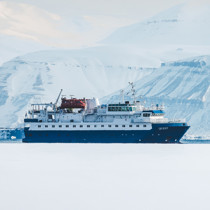
Join us on a grand Arctic adventure taking us from Svalbard’s glaciers and rich wildlife, across the Greenland Sea and onwards to the vast wilderness of Northeast Greenland. During the expedition, we explore some of the Arctic’s most remote fjords, where enormous icebergs drift between spectacular mountains, while historic trapping stations tell stories of those who once lived and worked in this remote Arctic wilderness.
The journey continues to the isolated volcanic island of Jan Mayen, dominated by the mighty Beerenberg. From here, we once again set course across the open sea, keeping a constant watch for whales. Finally, we reach the dramatic coast of Northern Norway, with Lofoten’s jagged mountains, picturesque fishing villages and beautiful fjord landscapes. During 19 days on board the 50-passenger ship M/S Quest, we experience an extraordinary variety of Arctic landscapes, history and wildlife – from Svalbard and Greenland to Jan Mayen and Northern Norway.
-
The impressive Kejser Franz Joseph and Kong Oscar Fjords
-
The remote volcanic island of Jan Mayen
-
Gigantic icebergs in Scoresbysund
-
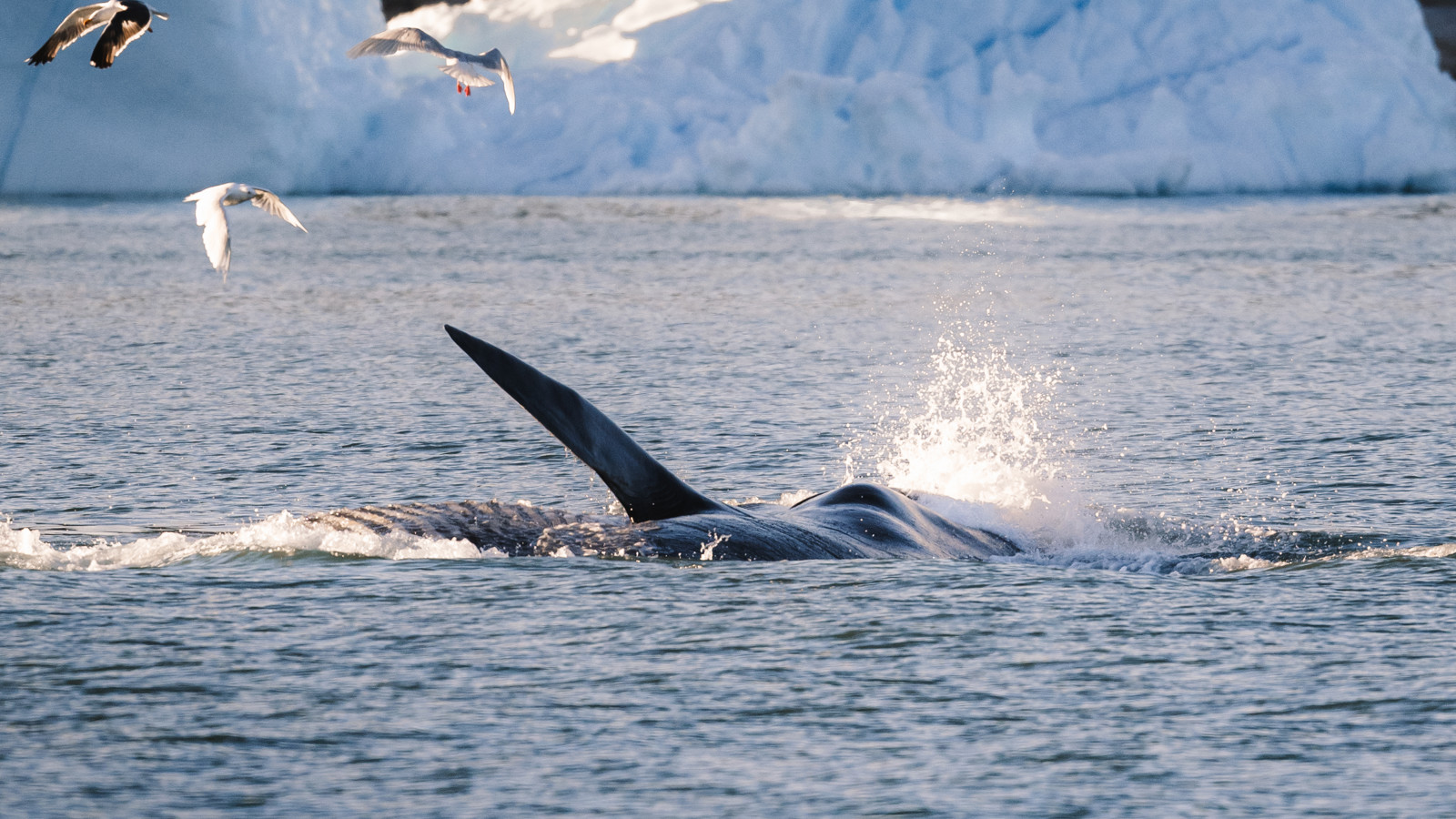
Good chances of seeing walruses, whales, polar bears and musk oxen
-
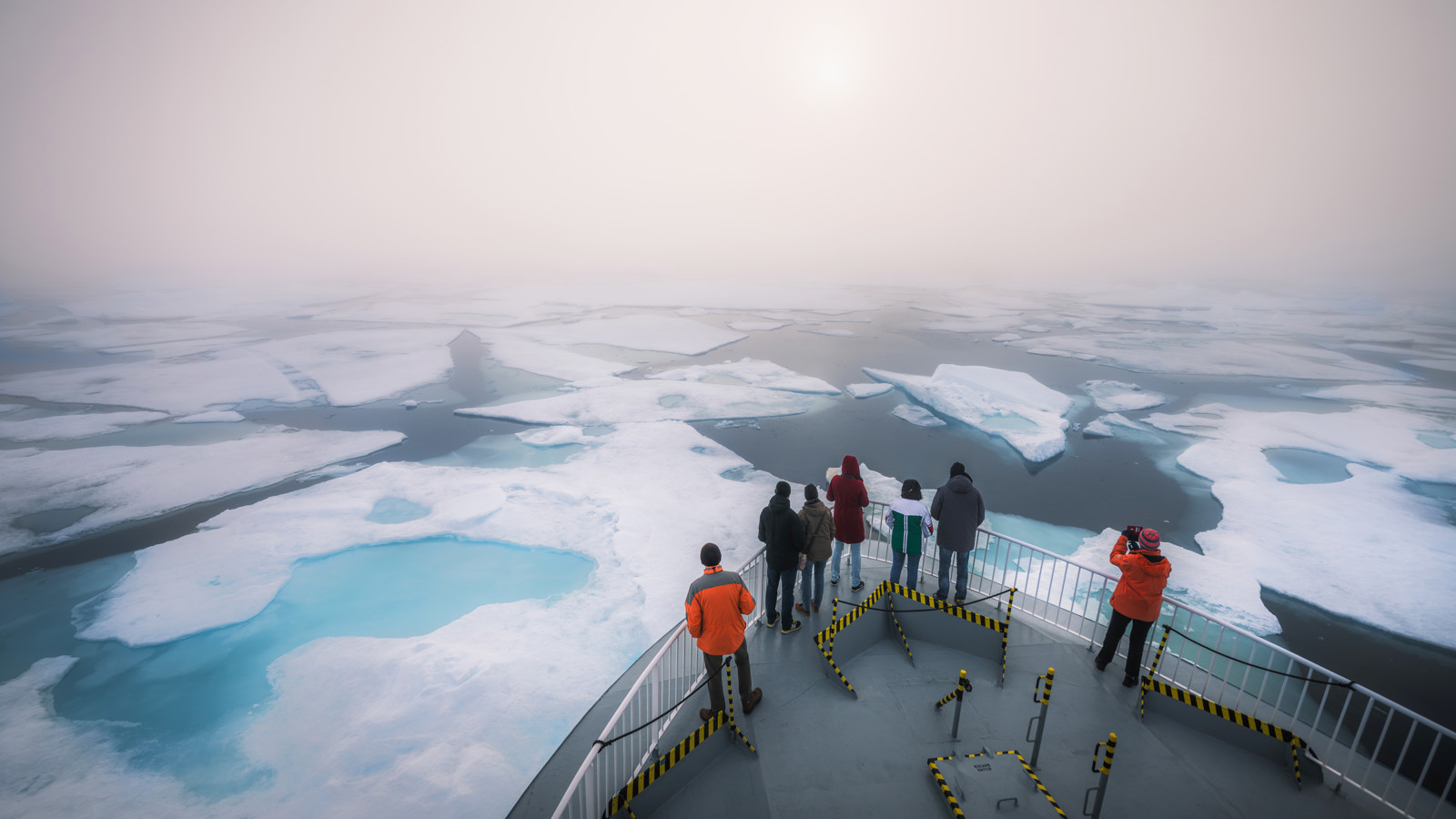
Encountering the mighty pack ice
-
Svalbard, Greenland and Northern Norway in one expedition
Facts about the trip
-
 © Christian Engelke
Greenland -
 © PolarQuest
 -
 © Christian Engelke
Greenland -
 © Christian Engelke
Sarstangen, Svalbard -
 © Johnny van Vliet
Sarstangen, Svalbard -
 © Christian Engelke
 -
 © Sebastian Lehrke
Svalbard -
 © Ulrich Kühn
 -
 © Johnny van Vliet
Raudfjord, Svalbard -
 © Sebastian Lehrke
 -
 © Ulrich Kühn
 -
 © PolarQuest
 -
 © Beau Pruneau
Greenland -
 © Johnny van Vliet
 -
 © Johnny van Vliet
 -

Myggbukta, Greenland -
 © Christian Engelke
Kjerulf fjord, Greenland -
 © Johnny van Vliet
Kjerulf fjord, Greenland -
 © Christian Engelke
Greenland -
 © Christian Engelke
Kjerulf Fjord, Greenland -
 © Beau Pruneau
Greenland -
 © Christian Engelke
Greenland -
 © Sebastian Lehrke
Greenland -
 © Johnny van Vliet
Blomsterbugten, Greenland -
 © Johnny van Vliet
Blomsterbugten, Greenland -
 © Christian Engelke
Blomsterbugten, Greenland -
 © Christian Engelke
Segelsällskapets Fjord, Greenland -

Greenland -
 © Beau Pruneau
Greenland -
 © Beau Pruneau
Ittoqqortoormiit, Greenland -
 © Christian Engelke
Greenland -
 © Johnny van Vliet
Ittoqqortoormiit, Greenland -
 © Johnny van Vliet
Hurry Inlet, Greenland -
 © Beau Pruneau
Greenland -
 © Johnny van Vliet
Bjørneøer, Greenland -
 © Christian Engelke
Greenland -
 © Christian Engelke
Bjørneøer, Greenland -
 © Christian Engelke
Greenland -
 © Christian Engelke
Hall Bredning, Greenland -
 © Johnny van Vliet
Vikingebugt, Greenland -
 © Christian Engelke
Vikingebugt, Greenland -
 © Johnny van Vliet
Vikingebugt, Greenland -
 © Christian Engelke
Greenland -
 © Beau Pruneau
 -
 © Beau Pruneau
Greenland -
 © Therese Horntrich
 -
 © Christian Engelke
Jan Mayen -
 © Christian Engelke
Jan Mayen -
 © Christian Engelke
Jan Mayen -
 © Christian Engelke
Jan Mayen -
 © Erik Edvardsson
 -

Lofoten, Northern Norway -
 © Christian Engelke
Lofoten, Northern Norway -
 © Christian Engelke
Lofoten, Northern Norway -
 © Beau Pruneau
Reine, Northern Norway -
 © Johnny van Vliet
Reine, Northern Norway -

Tromsø, Northern Norway -
 © Christian Engelke
Tromsø, Northern Norway
Itinerary
Join us on this once-in-a-lifetime journey, an adventure that brings us close to the pristine beauty of Svalbard and Greenland, as well as Jan Mayen and, finally, Lofoten.
Day 1: Longyearbyen, Svalbard
We arrive in Longyearbyen, where we spend one night at a hotel.
Day 2-4: Svalbard
On the afternoon of day two, we board our expedition ship M/S Quest and sail out through Isfjorden.
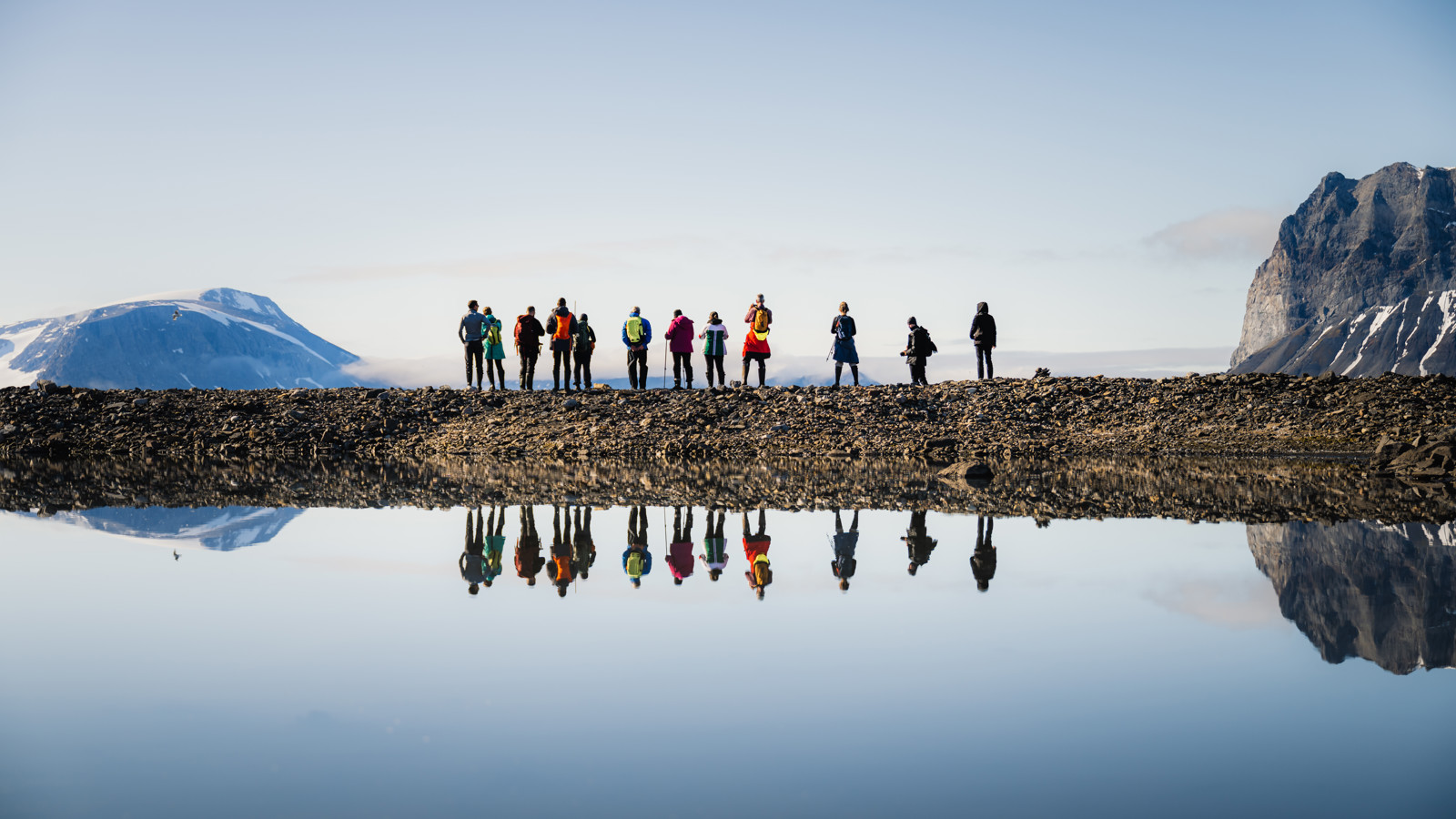
Over the next couple of days, we explore some of western Svalbard’s most impressive fjords, where beautiful glaciers line the coast. As we travel through these peaceful waters, we have the chance to encounter wildlife such as polar bears, walruses, Arctic foxes and various species of seabird. We are now in a part of the world where nature sets the terms, and we would like to emphasise that our exact itinerary over the coming days will be determined by weather and ice conditions. The following are examples of places we may visit:
Sarstangen
Sarstangen is a long, narrow headland of sand and gravel extending into Forlandsundet. The open coastal landscape offers beautiful views towards Prins Karls Forland and is a good place to keep watch for Svalbard’s Arctic wildlife.
Ny-London
On Blomstrandøya lies Ny-London, where a marble mining settlement was established in 1911, complete with accommodation, a railway, cranes and other equipment. Expectations were high, but the marble proved prone to cracking and crumbling, and the operation was eventually abandoned. Today, buildings and remnants of the mining activity remain as a fascinating reminder of Svalbard’s early industrial history.
Krossfjorden
In Krossfjorden, we enjoy views of the beautifully sculpted 14-julibreen glacier, which stretches approximately 16 kilometres. Continuing further into the fjord system, we reach Lilliehöökfjorden. Here, fjord ice often gathers in front of the magnificent Lilliehöökbreen glacier, which stretches for more than 4 kilometres.
Smeerenburg
On Amsterdamøya lies Smeerenburg, which was an important base for Dutch whaling operations in Svalbard during the 17th century. Today, only traces of this former activity remain, surrounded by a magnificent landscape of steep mountains and glaciers, a fascinating place where nature and polar history meet.
Virgohamna
It was from here that Andrée, Frænkel and Strindberg set off in 1897 on their ill-fated attempt to reach the North Pole in the balloon Örnen. Their journey came to an end when they were forced to land on the pack ice north of Svalbard. From there began their long trek across the ice, eventually taking them to Kvitøya, where their remains were discovered 33 years later. At Virgohamna on Danskøya, remnants of the balloon house can still be found, along with piles of iron filings that the men mixed with sulphuric acid to produce hydrogen for the balloon.
Fuglefjorden
In Fuglefjorden, we are greeted by a beautiful Arctic landscape of steep mountains, glaciers and small islands. At the head of the fjord lies Svitjodbreen, its blue-tinged glacier front rising above the water. Ice from the glacier may be scattered throughout the fjord, and the area also offers opportunities to look out for wildlife such as seals and walruses.
Raudfjorden
Scenic Raudfjorden is characterised by its many glaciers and is a favourite haunt for seals. The small Hamiltonbukta lies on the western side of Raudfjorden, surrounded by steep mountainsides and several glaciers. Here, ice, mountains and small islands create a dramatic landscape and excellent opportunities for a Zodiac cruise.
Day 5-7: The Greenland Sea and the pack ice
We leave Svalbard’s fascinating landscapes behind and set course for Greenland. As we cross the Greenland Sea, we keep watch for whales and listen to fascinating lectures from our guides about Arctic ecology and history.
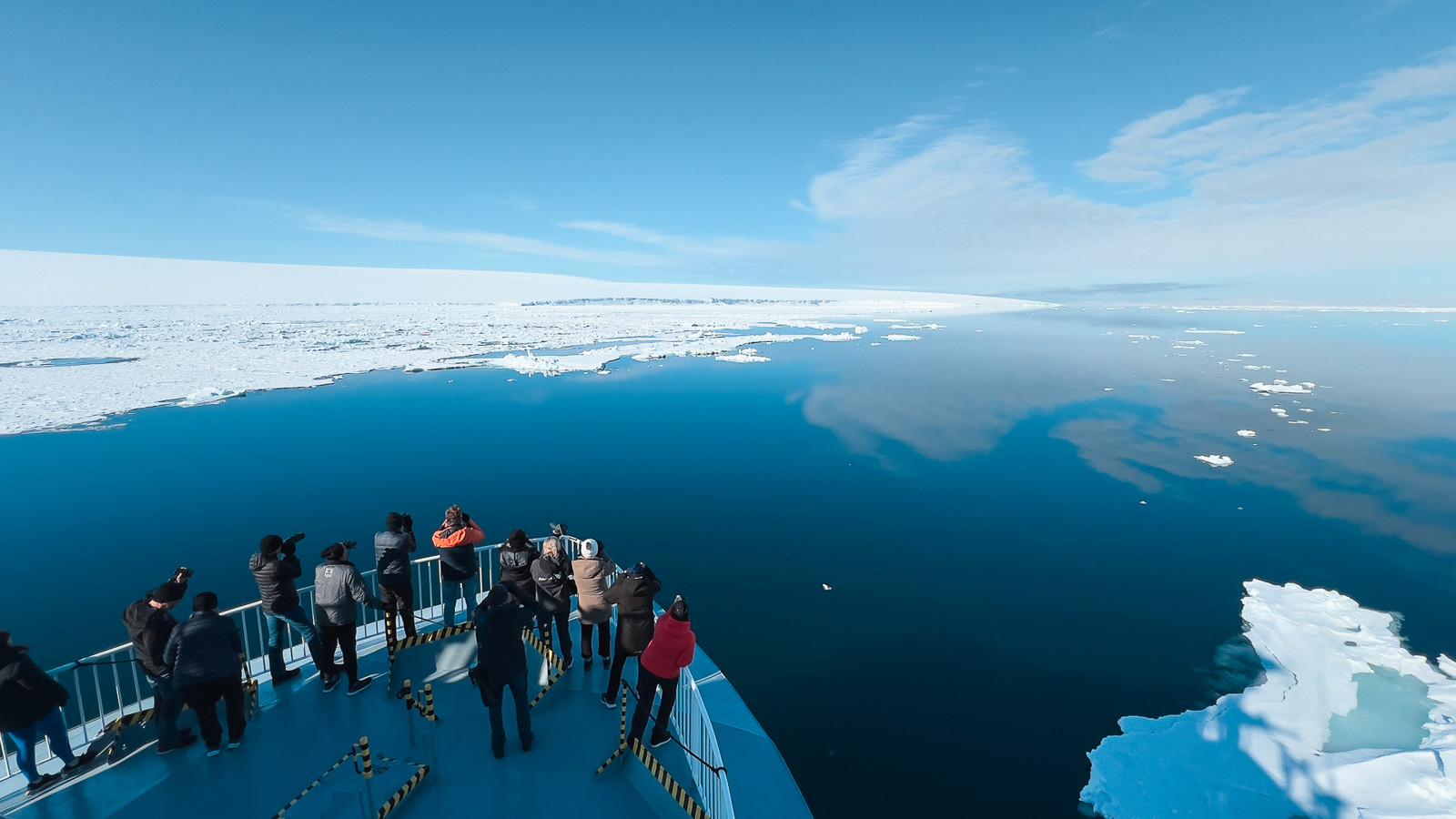
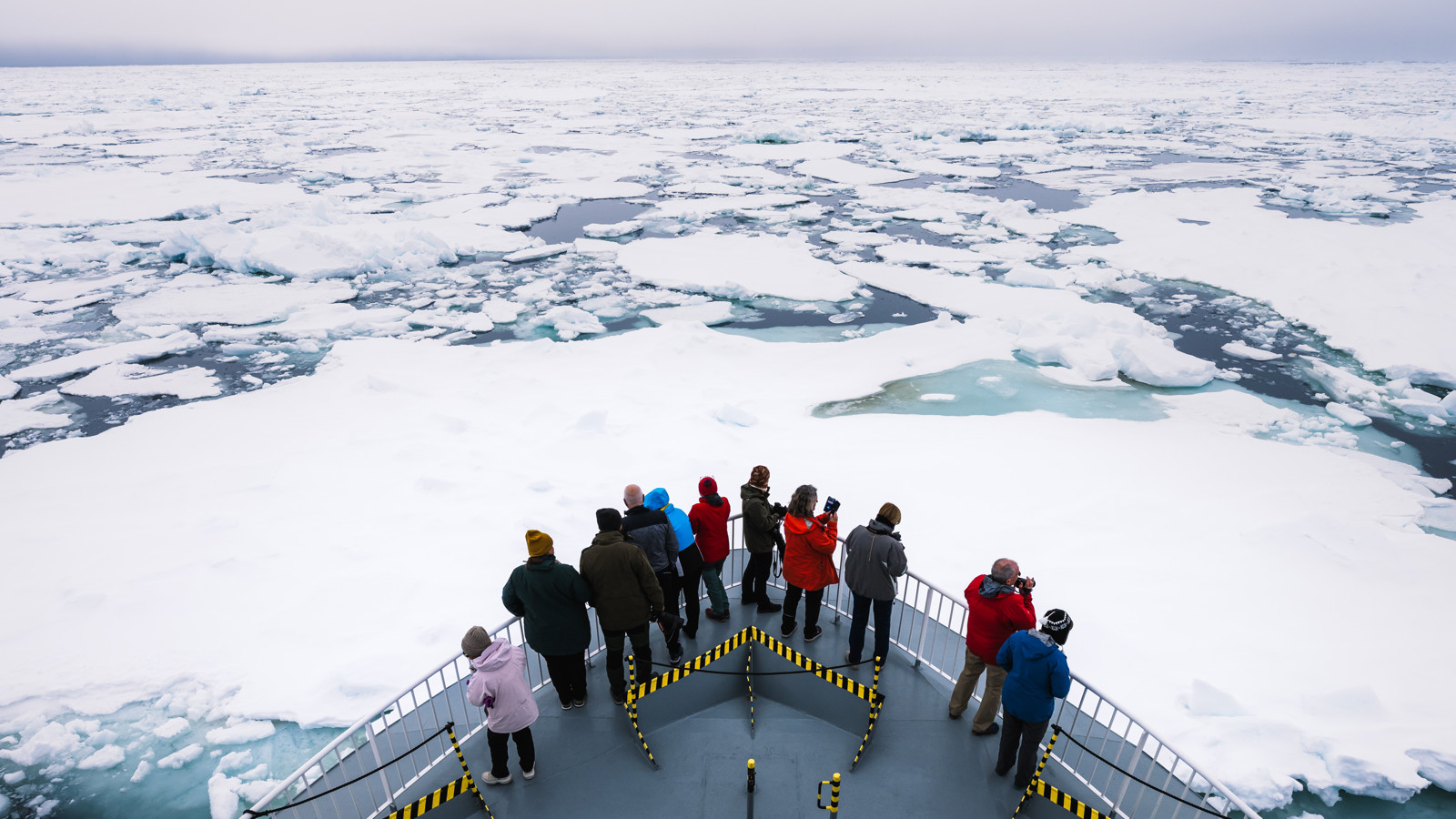
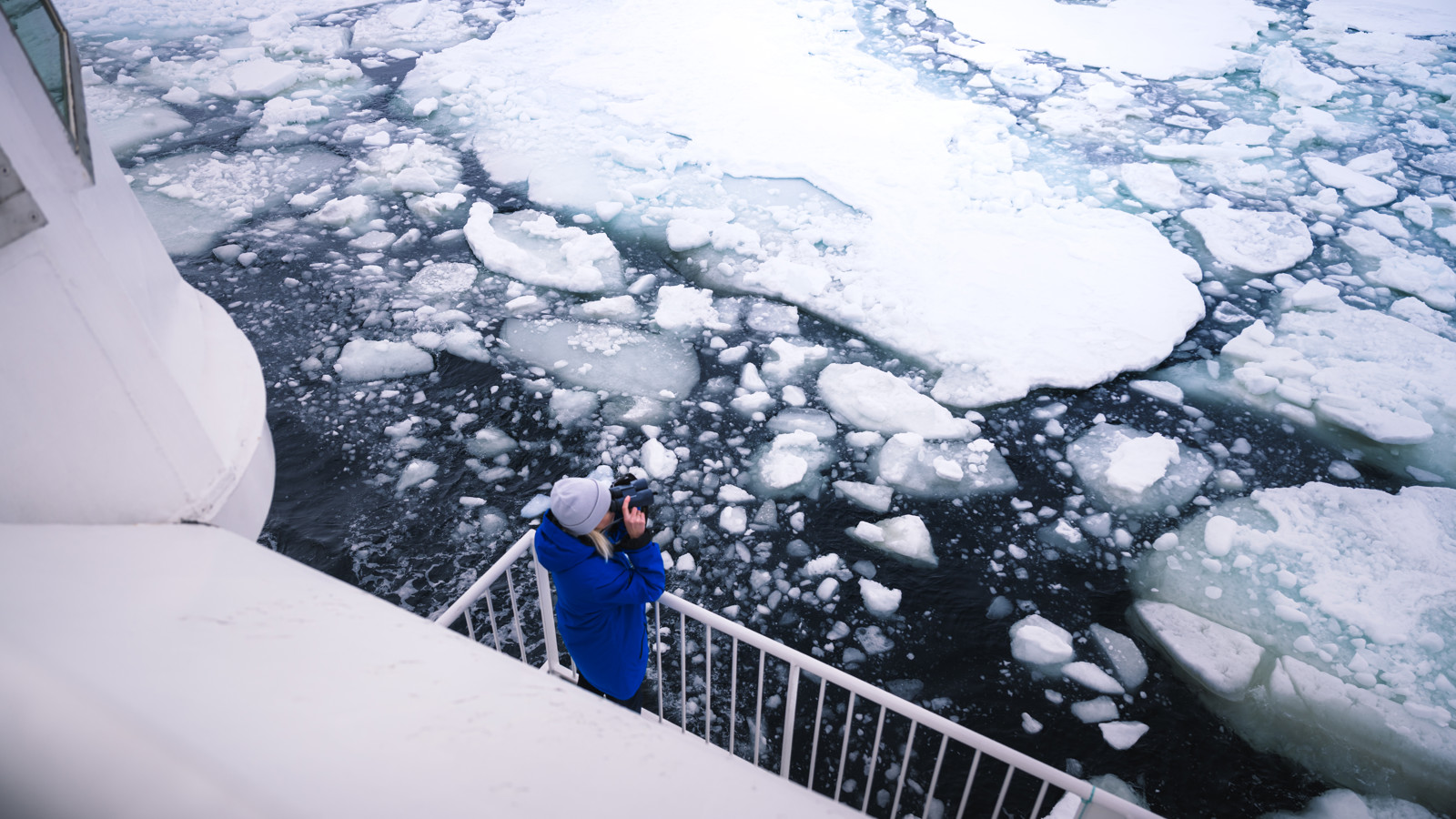
Eventually, we reach the edge of the pack ice. We hope to get close and spend some time here, as this is an exciting experience offering dramatic views across Greenland’s icy frontier. However, our time here will be determined by weather and ice conditions. By the afternoon of day seven, we expect to arrive in Northeast Greenland National Park.
Day 8-13: Greenland
As we reach Greenland’s wild coast, we enter a world shaped by ice and weather. We hope to make daily Zodiac cruises or landings at some of the region’s many remarkable sites. Northeast Greenland National Park is the largest national park in the world and a place that few people have the opportunity to explore. Here, we plan to venture into both Kejser Franz Joseph Fjord and Kong Oscar Fjord. The following are examples of places we may visit in Greenland:
Kejser Franz Joseph Fjord
Inside Kejser Franz Joseph Fjord, the silence is almost tangible. The fjord is surrounded by majestic mountains and an almost otherworldly stillness. Here we find some of the most dramatic landscapes in Northeast Greenland National Park.
At Myggbukta, we find a historic Norwegian trapping, radio and weather station established in 1922. This remote site played an important role during the period of Norwegian presence in Northeast Greenland, and its buildings still offer a glimpse into life under extreme conditions in this isolated part of the Arctic.
Further into the fjord system lies Benjamin Dal, a vast valley surrounded by impressive mountain formations. Here, open tundra meets rugged mountain scenery, offering magnificent views across the Greenland wilderness.
Kjerulf Fjord is surrounded by high mountains and is often filled with large icebergs slowly drifting through the sheltered fjord landscape. In late summer, it may be possible to explore the area by both ship and Zodiac, depending on the ice conditions. On land, we also keep watch for musk oxen, which inhabit this remote part of Northeast Greenland.
Kong Oscar Fjord
We continue our journey through Northeast Greenland National Park and venture into magnificent Kong Oscar Fjord to visit some of the spectacular places found here. Blomsterbugten, or “Bay of Flowers”, offers fantastic opportunities for hiking and wildlife encounters. The area is surrounded by dramatic cliffs, ice-filled waters and blue-hued icebergs.
We also hope to explore Segelsällskapets Fjord and Maria Ø, an impressive fjord surrounded by high mountains and glaciers. The fjord was named after the Royal Swedish Yacht Club (Kungliga Svenska Segelsällskapet) by Swedish polar explorer Alfred Gabriel Nathorst during his Greenland expedition in 1899. The area is also known for its fascinating geology, where layers of differently coloured sedimentary rock create striking patterns across the steep mountainsides.
Scoresby Sound
In Scoresby Sound, the world’s largest fjord system, we are surrounded by a magnificent landscape where mountain peaks rise to almost 2,000 metres above sea level and enormous icebergs drift slowly through the fjords. At this time of year, the first signs of autumn begin to appear, bringing softer light as the tundra gradually changes colour.
Here, we plan to visit Ittoqqortoormiit, a remote settlement of around 350 inhabitants, where we gain an insight into life in one of Greenland’s most isolated regions.
In Hurry Inlet, we hope to go ashore and discover traces of the area’s long Inuit history. Here we find remains from the historic Thule culture, ancestors of today’s Greenlandic Inuit, and may have the opportunity to see remnants of ancient dwellings that reveal how people lived and survived in this challenging Arctic landscape.
Björneöer are a small group of islands surrounded by some of Scoresby Sound’s most spectacular scenery. Between the islands, views open up across high mountains, glaciers and enormous icebergs – a fantastic area to explore by Zodiac or on foot.
At Sydkap and Hall Bredning, we find ourselves in the midst of one of Scoresby Sound’s most impressive ice-filled landscapes. Enormous icebergs from glaciers deep within the fjord system drift out through Hall Bredning, and many of these icebergs run aground here on their slow journey towards the sea. From Sydkap, we can look out across the vast fjord landscape, where mighty icebergs of every imaginable shape create an ever-changing spectacle.
At Vikingebugt, we encounter a landscape shaped by both fire and ice. Impressive columnar basalt cliffs rise along the coast, formed by ancient volcanic activity, while glaciers and drifting ice leave their mark on the fjord. We continue along Volquart Boons Kyst, where some of the steep basalt cliffs rise to over a thousand metres, with glaciers winding their way down between the mountains. We experience this magnificent landscape from a front-row seat on board M/S Quest.
Day 14: The Greenland Sea
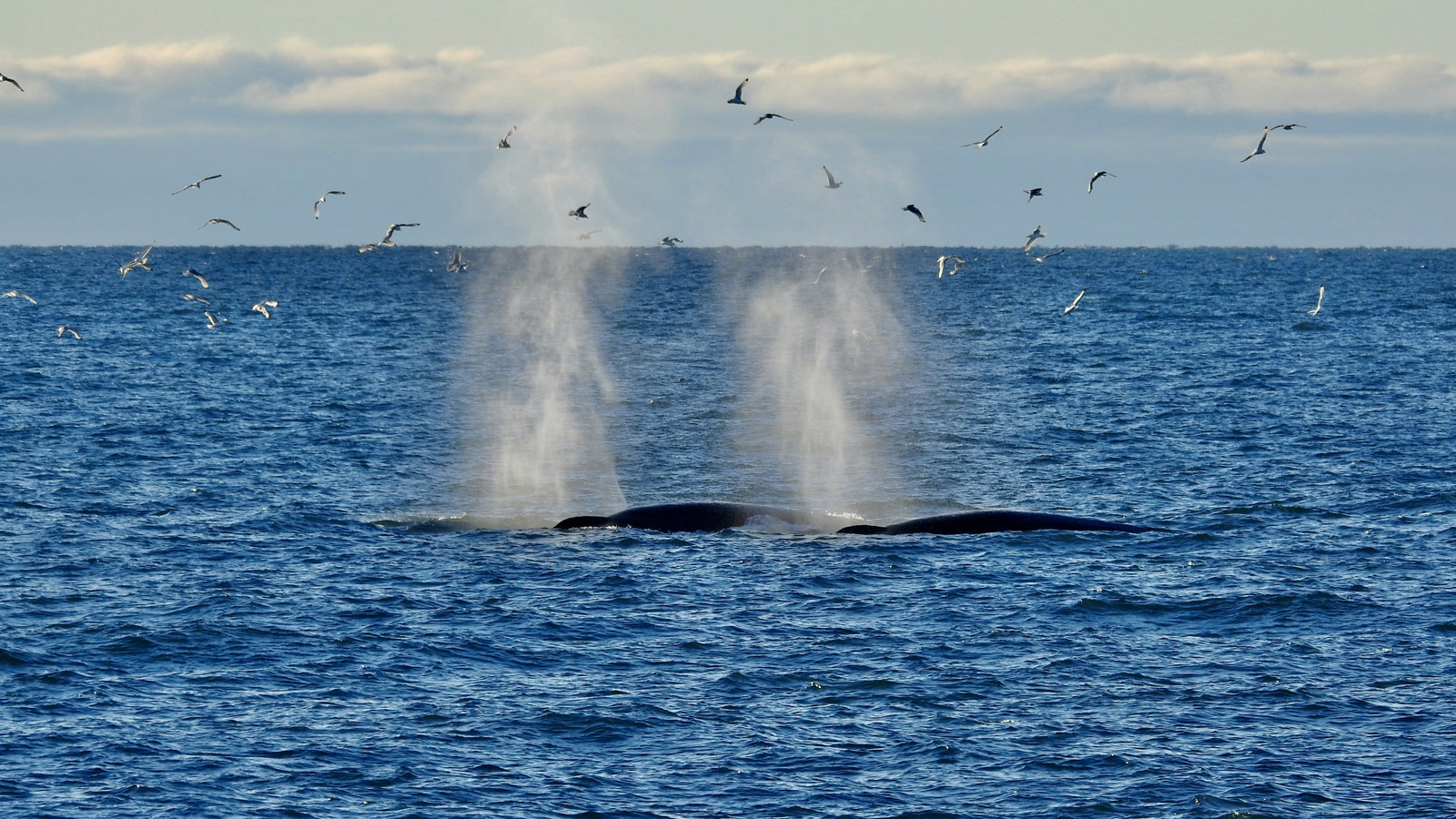
After an unforgettable time in Northeast Greenland, we sail across the Greenland Sea towards Jan Mayen. During our time on board, our guides give fascinating lectures about this remote island. We also have the chance to spot whales during the crossing.
Day 15: Jan Mayen
After some time at sea, the isolated volcanic island of Jan Mayen rises from the Greenland Sea. The island is dominated by the 2,272-metre-high Beerenberg, the world’s northernmost active volcano, whose glacier-covered slopes rise dramatically from the sea. Jan Mayen’s rugged landscape has been shaped by volcanic activity, and here we find black lava beaches, glaciers and abundant birdlife.
Jan Mayen’s isolated location and dramatic nature make it a challenging place to explore. If weather and conditions allow, we hope to make a Zodiac cruise along the coast and, if the opportunity arises, also go ashore on the island’s west coast. However, conditions here can change quickly and neither Zodiac cruises nor landings can be guaranteed. Whatever the conditions, encountering this isolated volcanic island is a very special experience, even from the comfort of M/S Quest.
Day 16: The Norwegian Sea
We leave Jan Mayen behind and continue our journey at sea towards the coast of Northern Norway. During interesting lectures on board, we are introduced to our next destination, Lofoten.
Day 17-18: Northern Norway
After some time at sea, we reach Northern Norway and the dramatic Lofoten archipelago, known for its picturesque fishing villages and extraordinarily beautiful fjords. Our journey takes us along the southern side of what is commonly known as the Lofoten Wall, an extensive chain of mountainous islands rising majestically from the sea. The following are examples of places we may visit in this region:
Reine
The small fishing village of Reine looks peacefully out over Kirkefjorden. With its characteristic wooden houses framed by dramatic mountain peaks, it has been voted Norway’s most beautiful place.
Vesterålen
Vesterålen is a peaceful Arctic archipelago with wide horizons and abundant wildlife. The area is particularly known for its whale-rich waters, where whales can be seen for much of the year, as well as for its hiking opportunities and coastal scenery, offering the same dramatic landscapes as Lofoten but at a quieter pace.
Senja
Senja is Norway’s second-largest island and is often referred to as “Norway in miniature” thanks to its dramatic variety of jagged mountains, deep fjords and small fishing communities nestled between sea and mountains. Here, the mountains rise steeply from the sea and panoramic roads wind through a landscape shaped by wind, water and ice.
Day 19: Tromsø
We arrive in to the city of Tromsø, situated 350 kilometres north of the Arctic Circle and beautifully framed by fjords and mountain peaks. The city has been the starting point for many polar expeditions and was known in the 19th century as the “Gateway to the Arctic”. The high mountain peaks together with the picturesque small houses create wonderful scenery.
In Tromsø, we disembark and our expedition comes to an end.
Please note: All itineraries are for guidance only. Our exact route will depend on the ice, weather conditions, wildlife and government regulations. The places mentioned are just examples of some of the many sites Svalbard has to offer. We always strive to maximise your experience. Please remember that flexibility is the key to a successful expedition!
Environmental Regulations
To ensure responsible tourism and protection of the environment, new regulations came into force in Svalbard on 1 January 2025. Read more about the regulations and PolarQuest's comments about these changes.
Map
The ship M/S Quest
Passengers
50Crew
25Built
1992Cruising Speed
10 kn-
M/S Quest in May -
 © Olivier Kopp Wålberg
 -
 © Johnny Van Vliet
 -
 © Johnny Van Vliet
 -
 © Sebastian Lehrke
 -
 © Sebastian Lehrke
 -
 © Sebastian Lehrke
 -
 © Sebastian Lehrke
 -
 © Sebastian Lehrke
 -
 © Sebastian Lehrke
 -
 © Jett Britnell
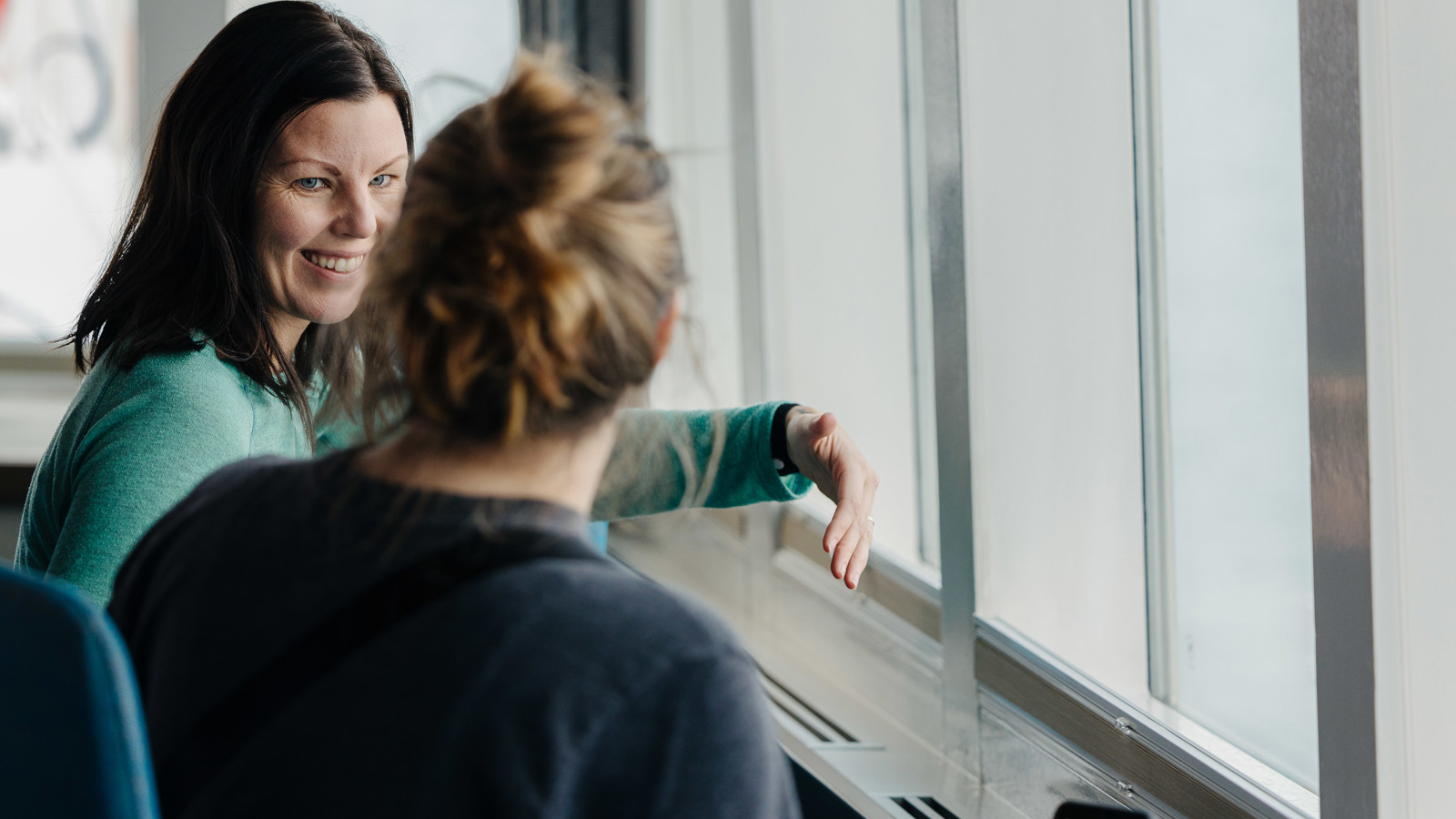
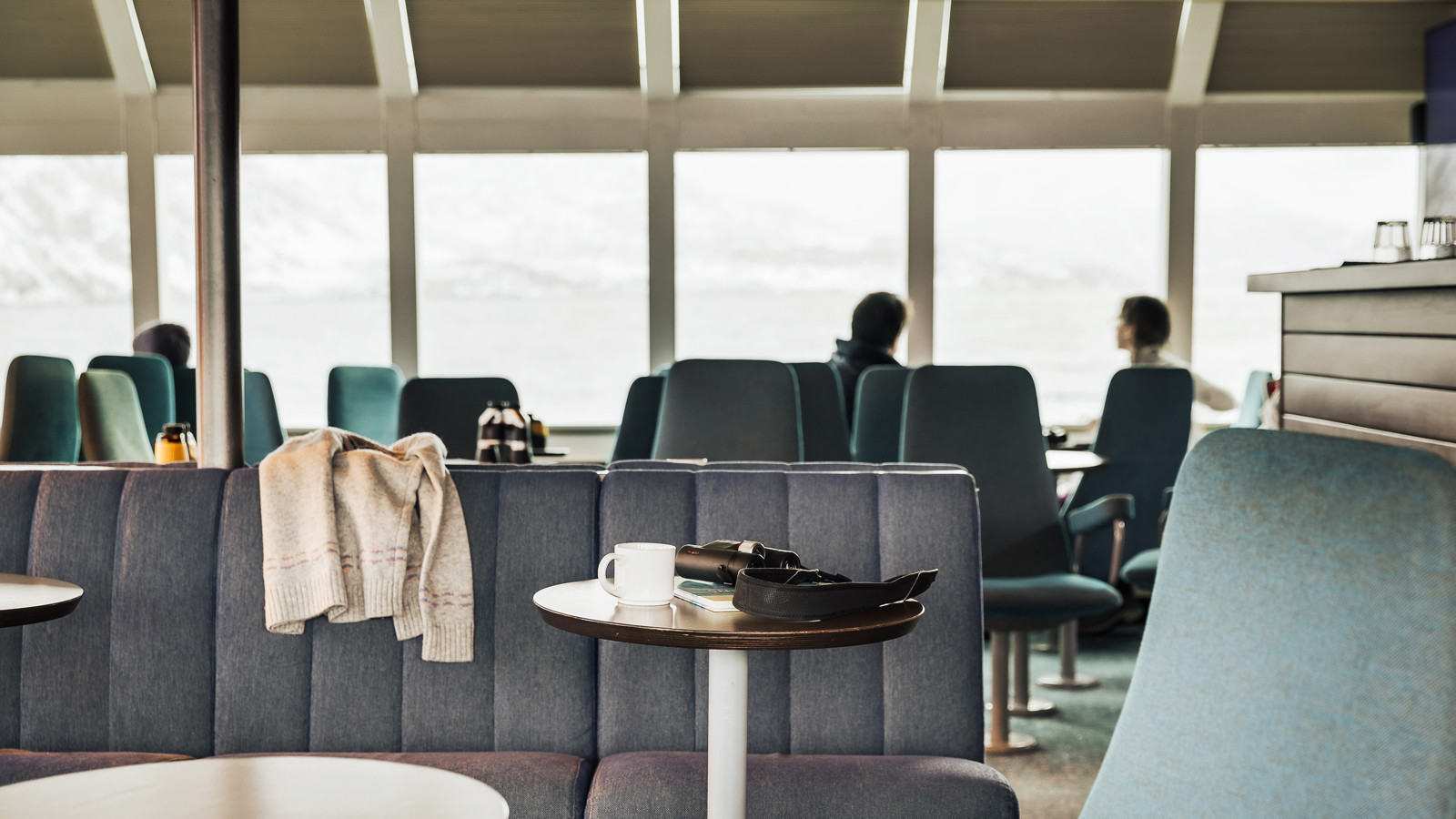
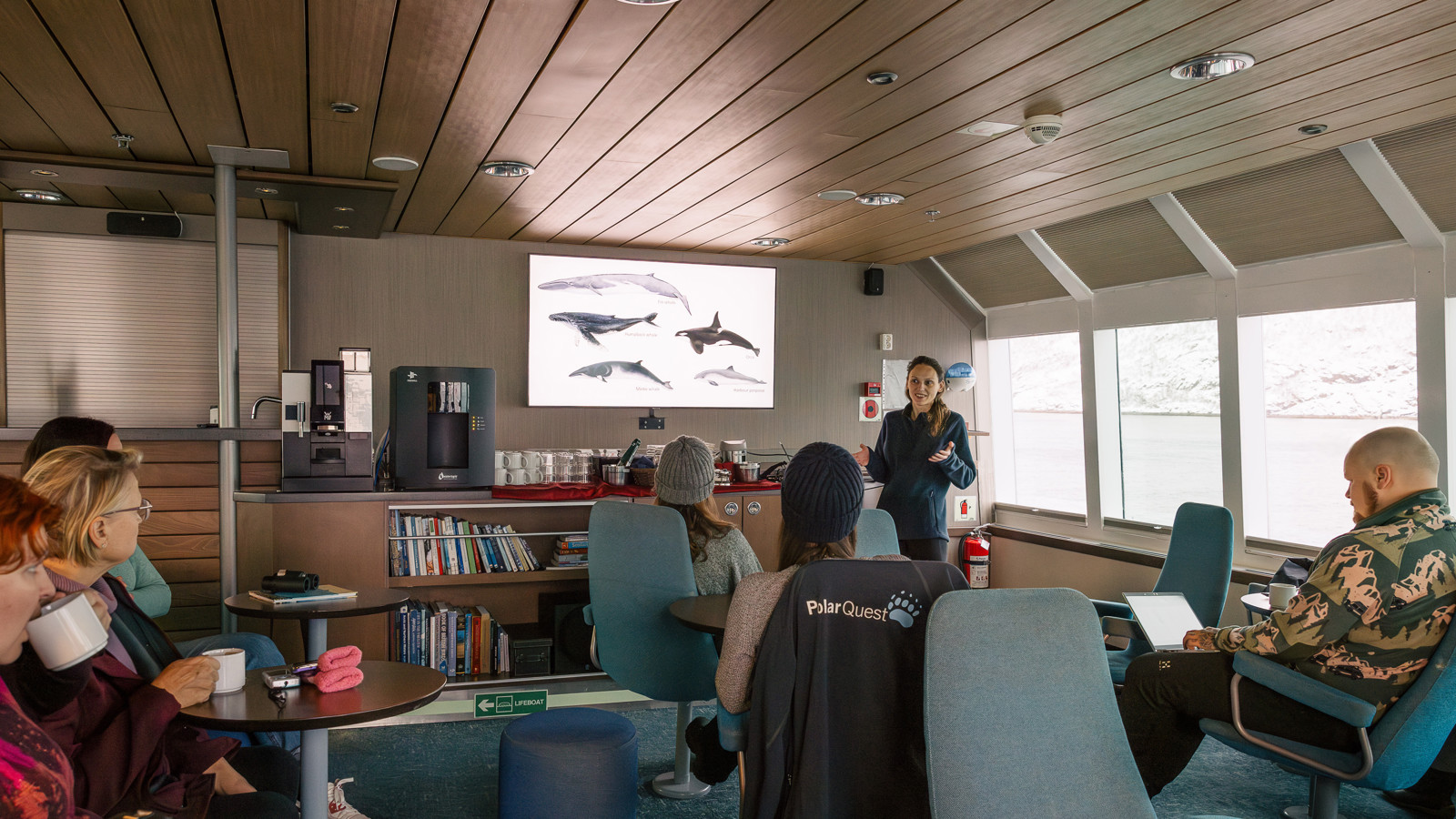
The ship has a fantastic panoramic lounge. -
 © Björn Johansson
 -
 © Björn Johansson
 -
-
 © Johnny Van Vliet
 -
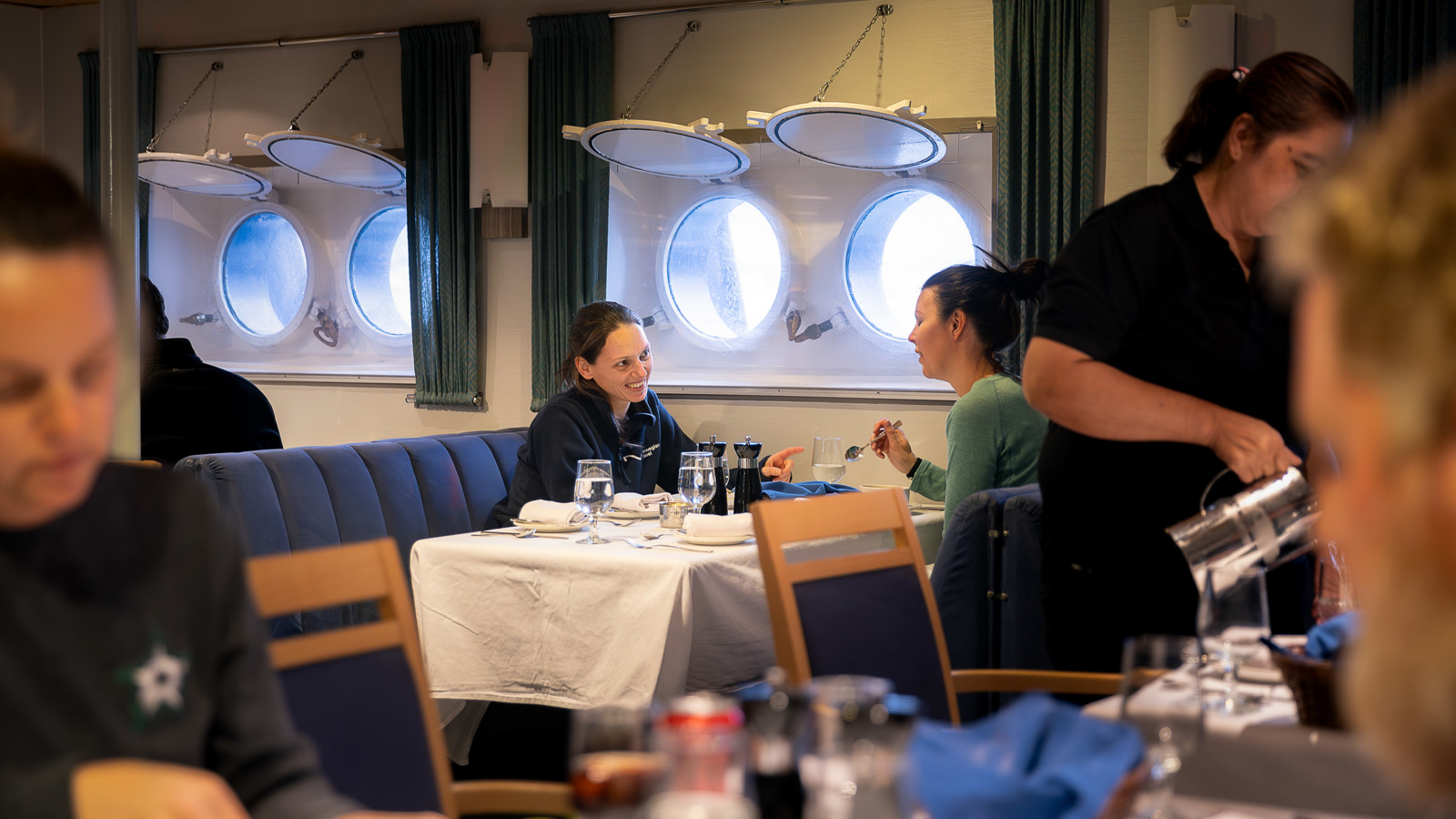
Enjoy delicious meals with the polar landscape outside. -
 © Björn Johansson
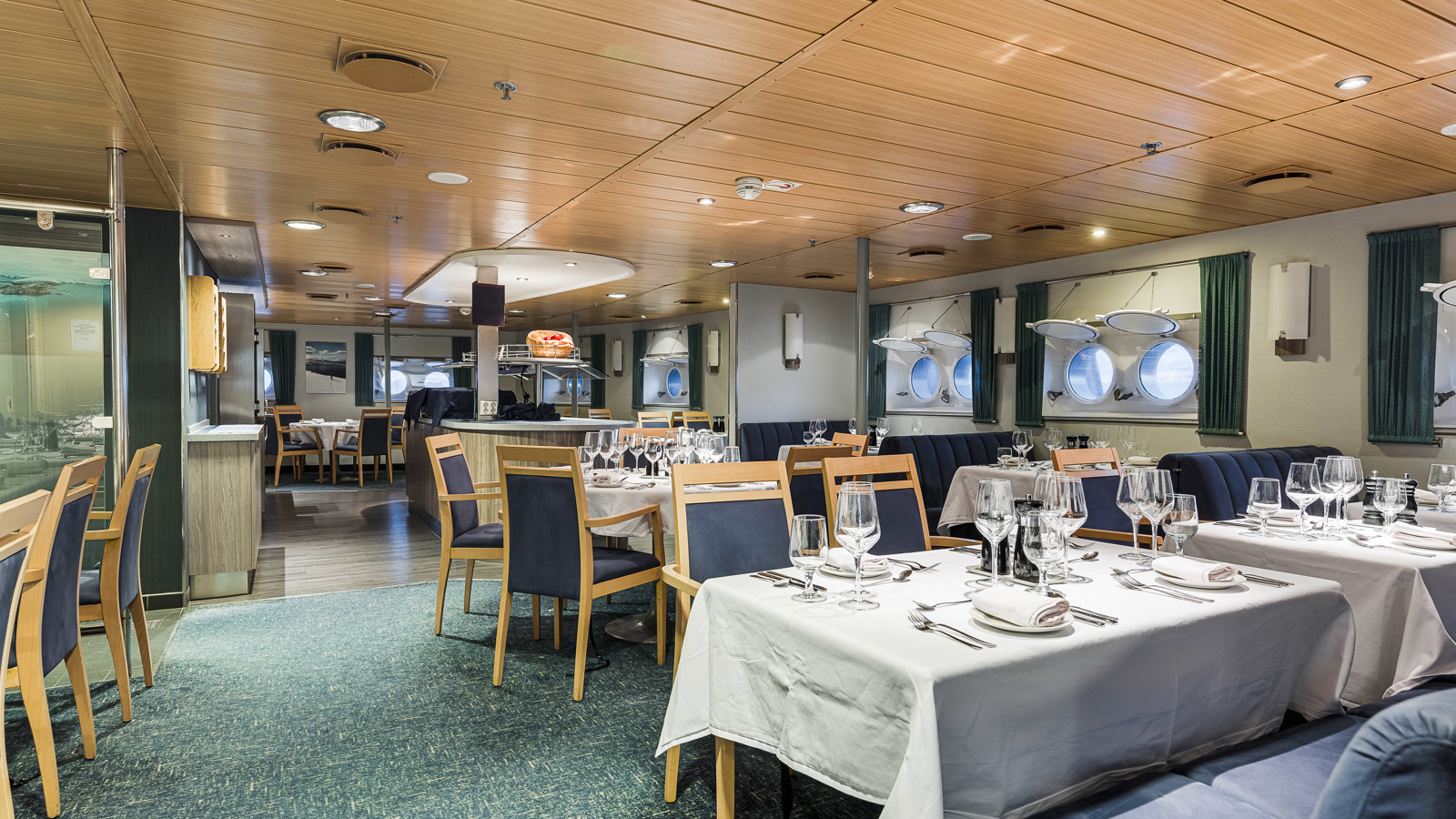
The ship's dining room can accommodate all expedition travellers. -
 © Björn Johansson
 -
 © Björn Johansson
 -
 © Björn Johansson
 -
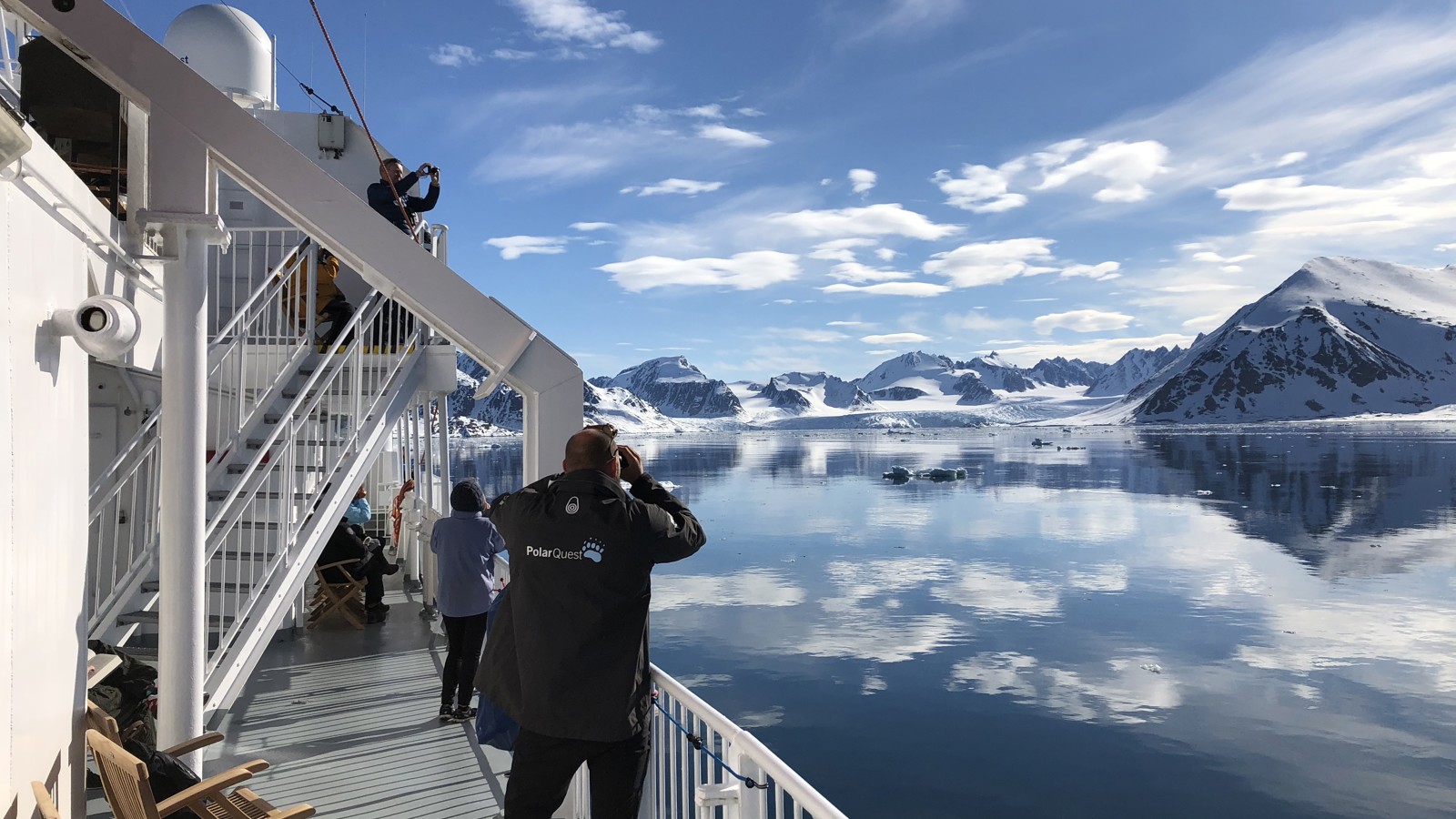 © Susanne Korsvoll
 -
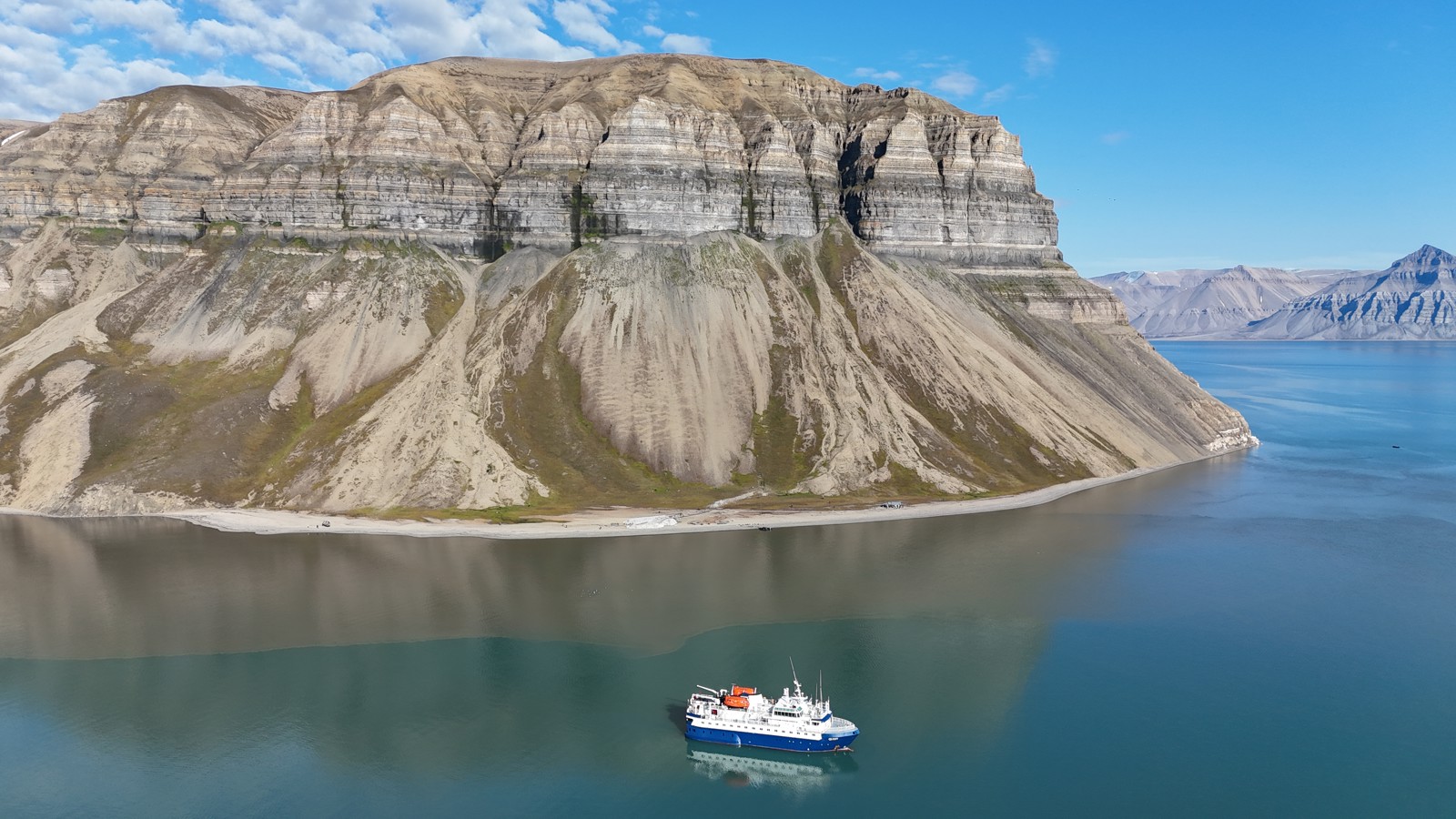 © Olivier Kopp Wålberg
 -
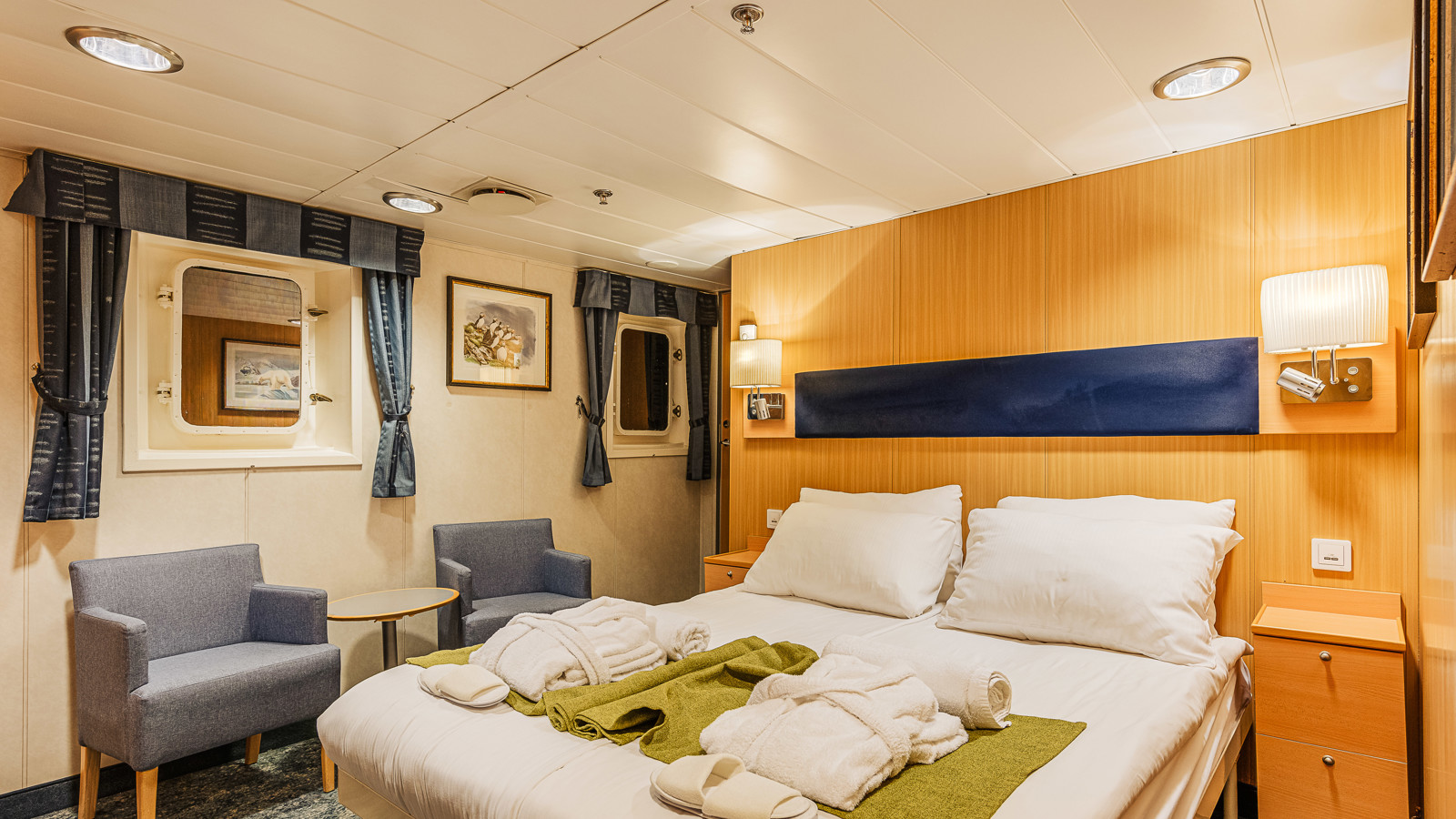 © Björn Johansson
Owner's cabin -
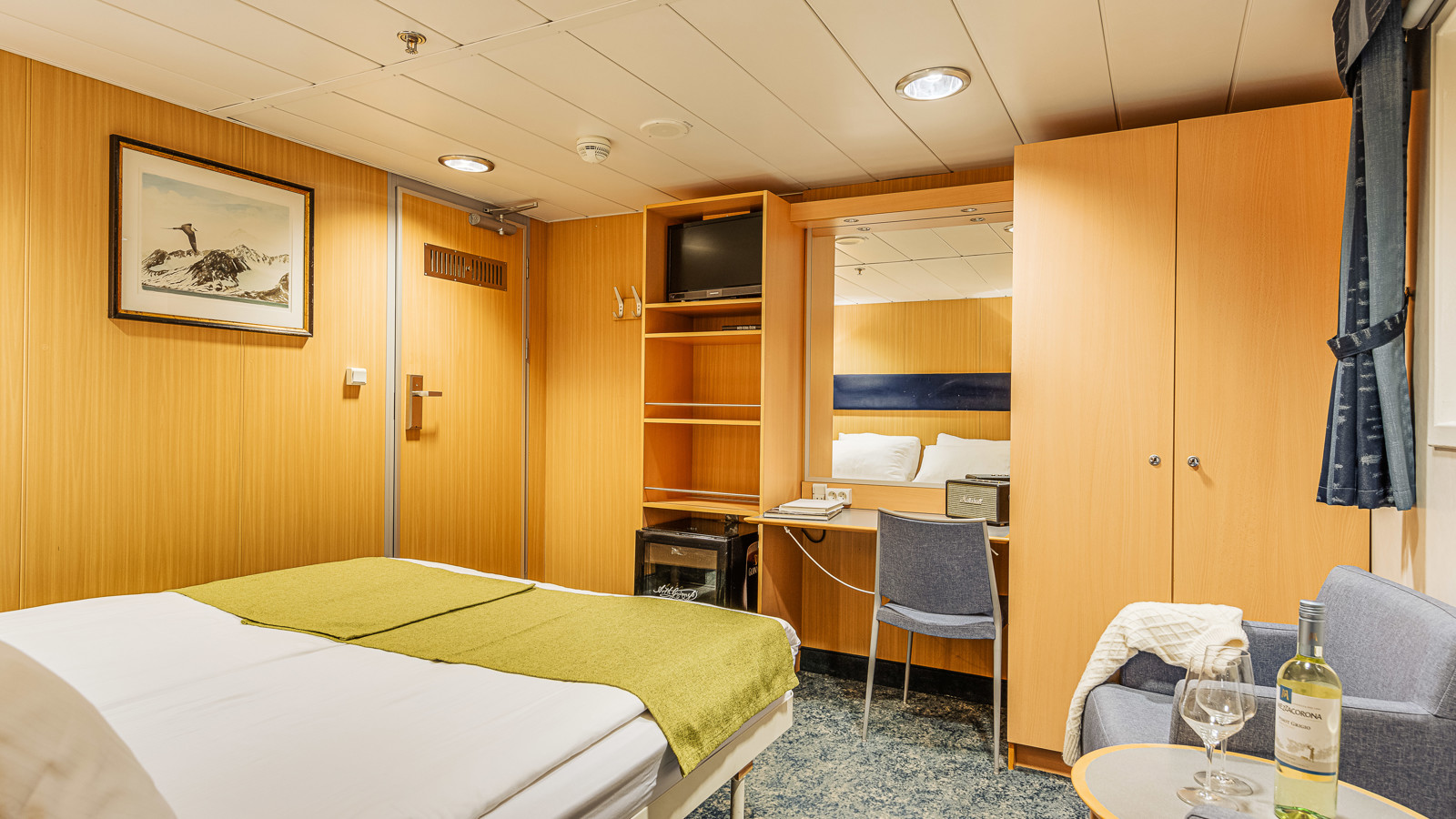 © Björn Johansson
Owner's cabin -
 © Björn Johansson
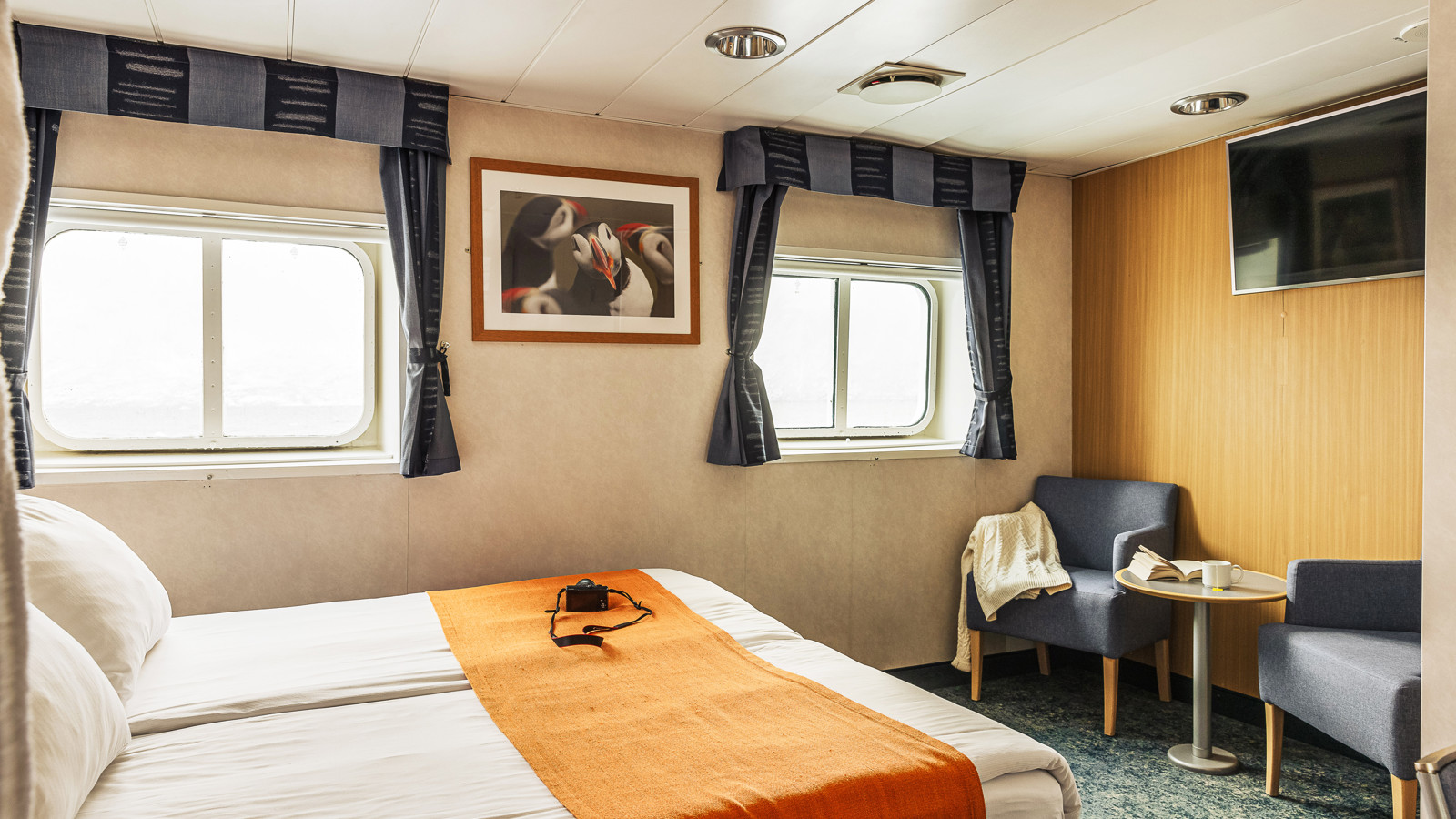
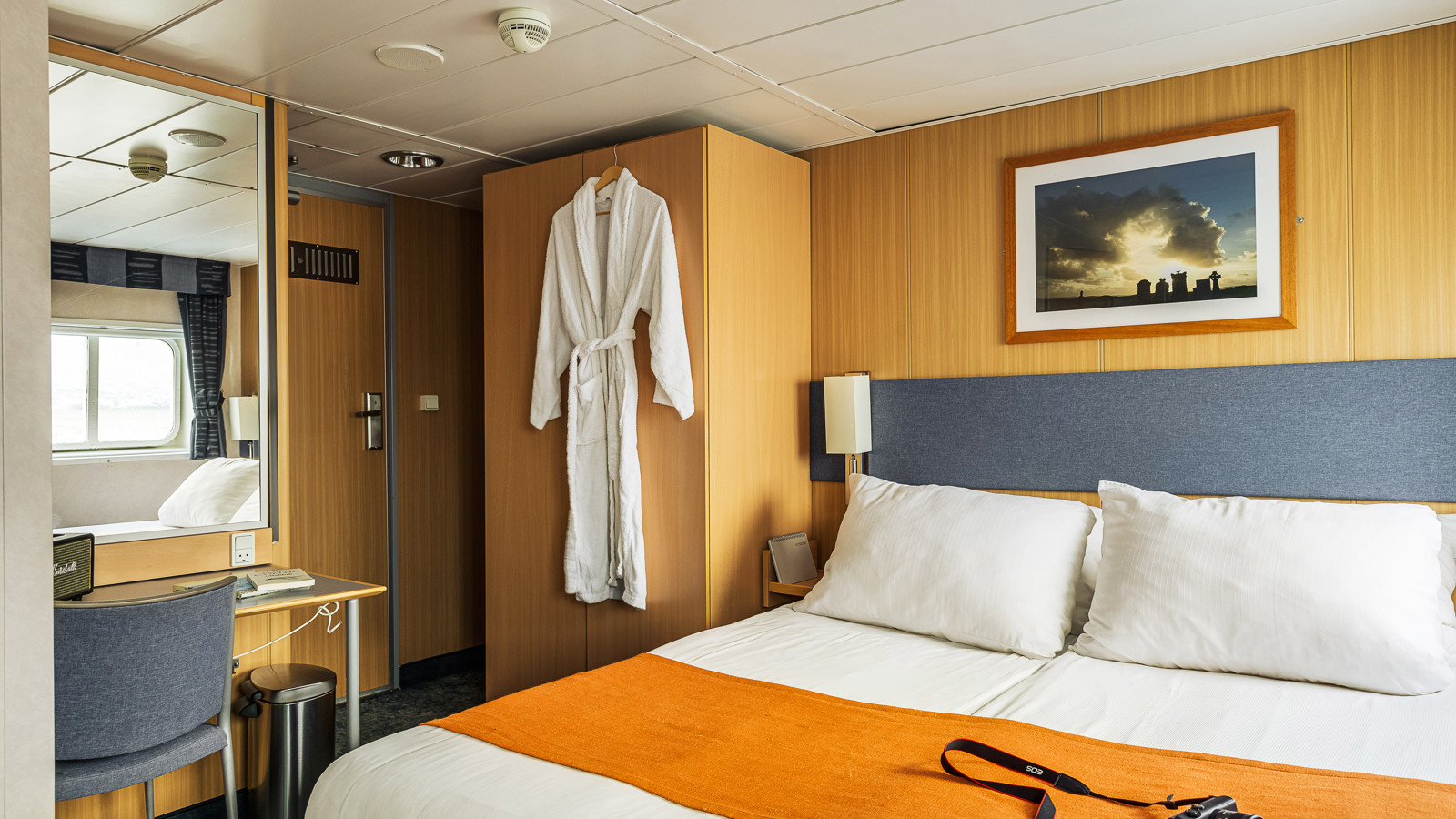
Superior cabin -
 © Björn Johansson
Superior cabin -
 © Björn Johansson
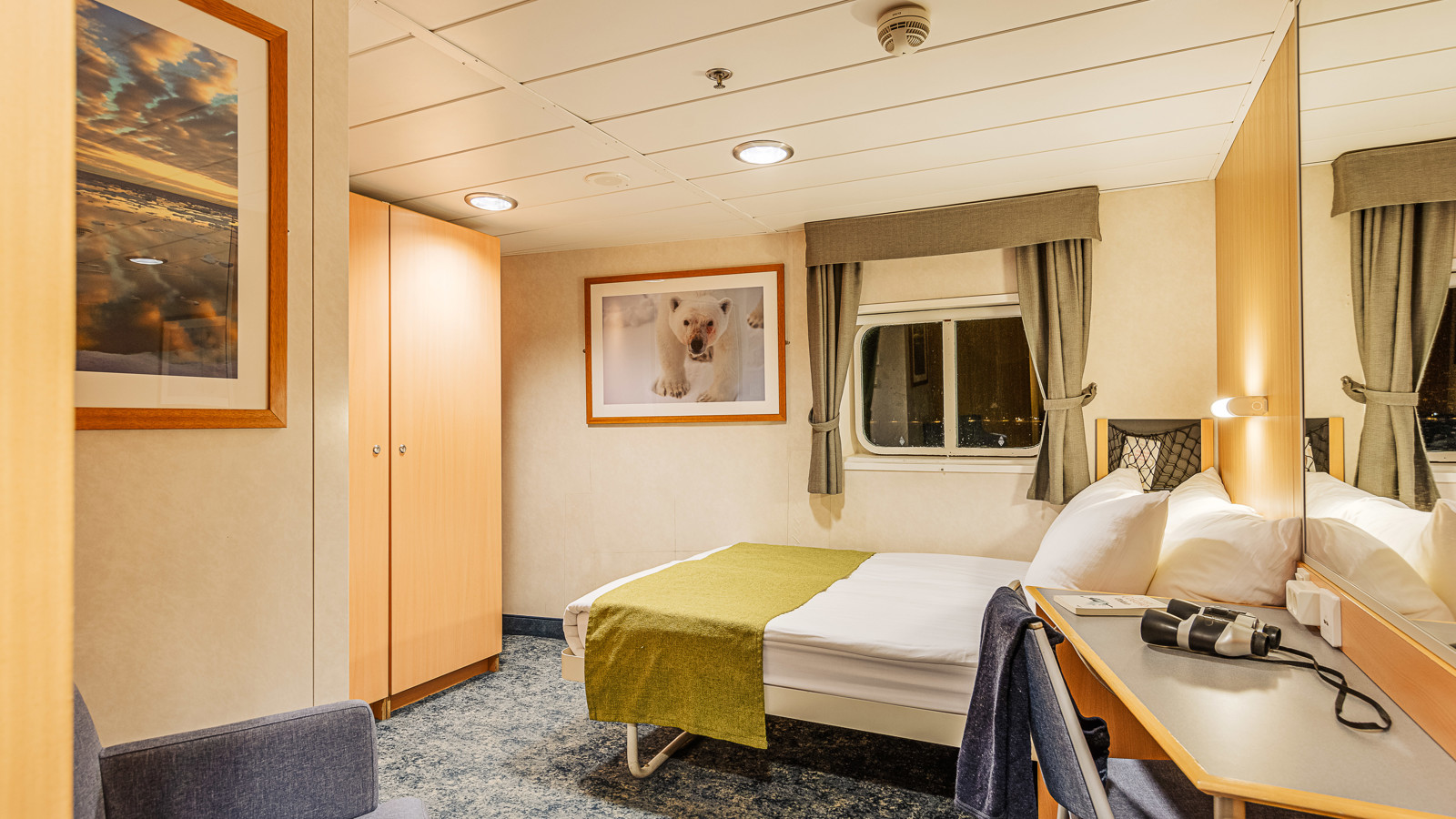
Doubel cabin with double bed -
 © Björn Johansson
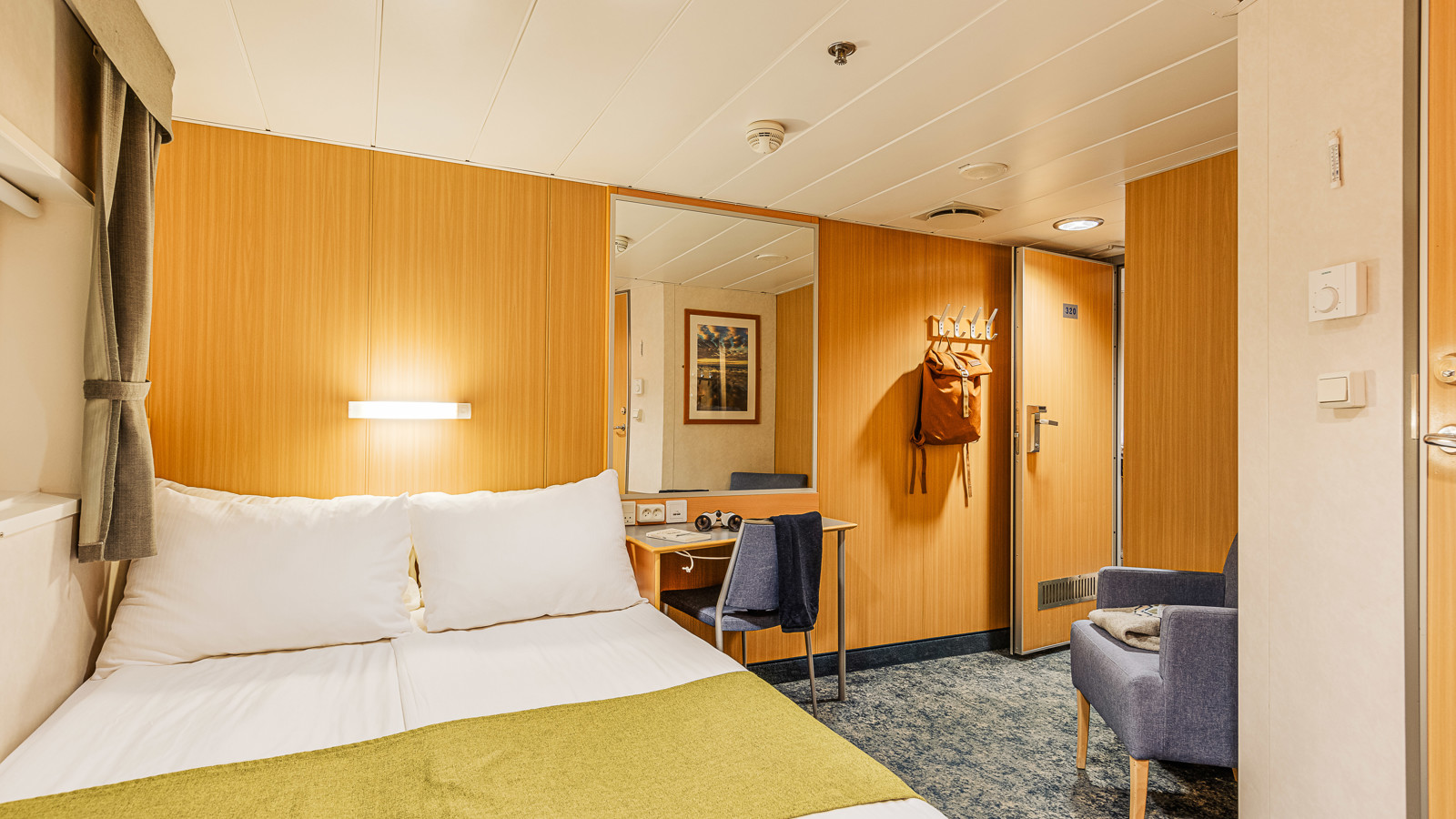
Double cabin with double bed -
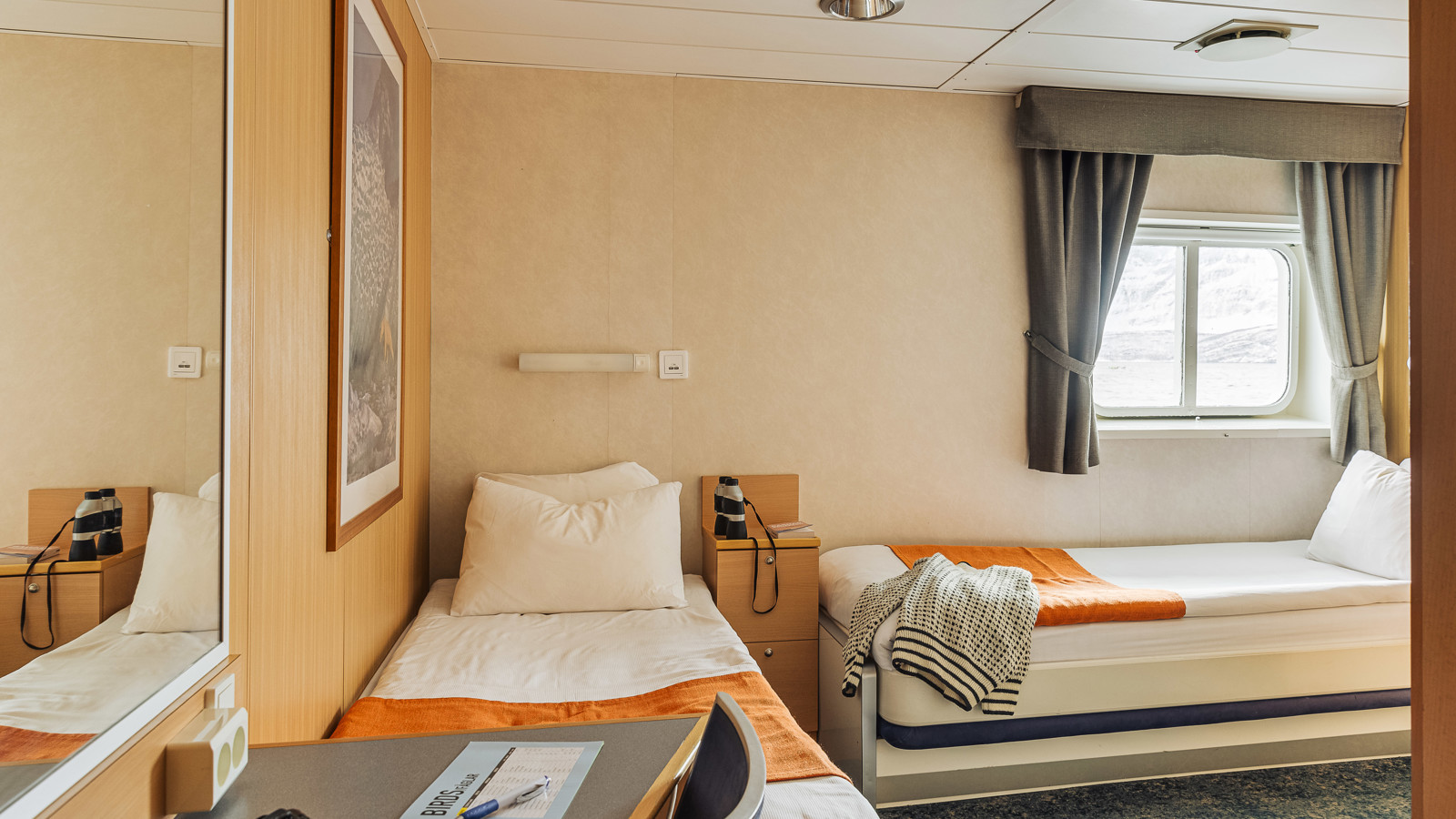 © Björn Johansson
Double cabin plus -
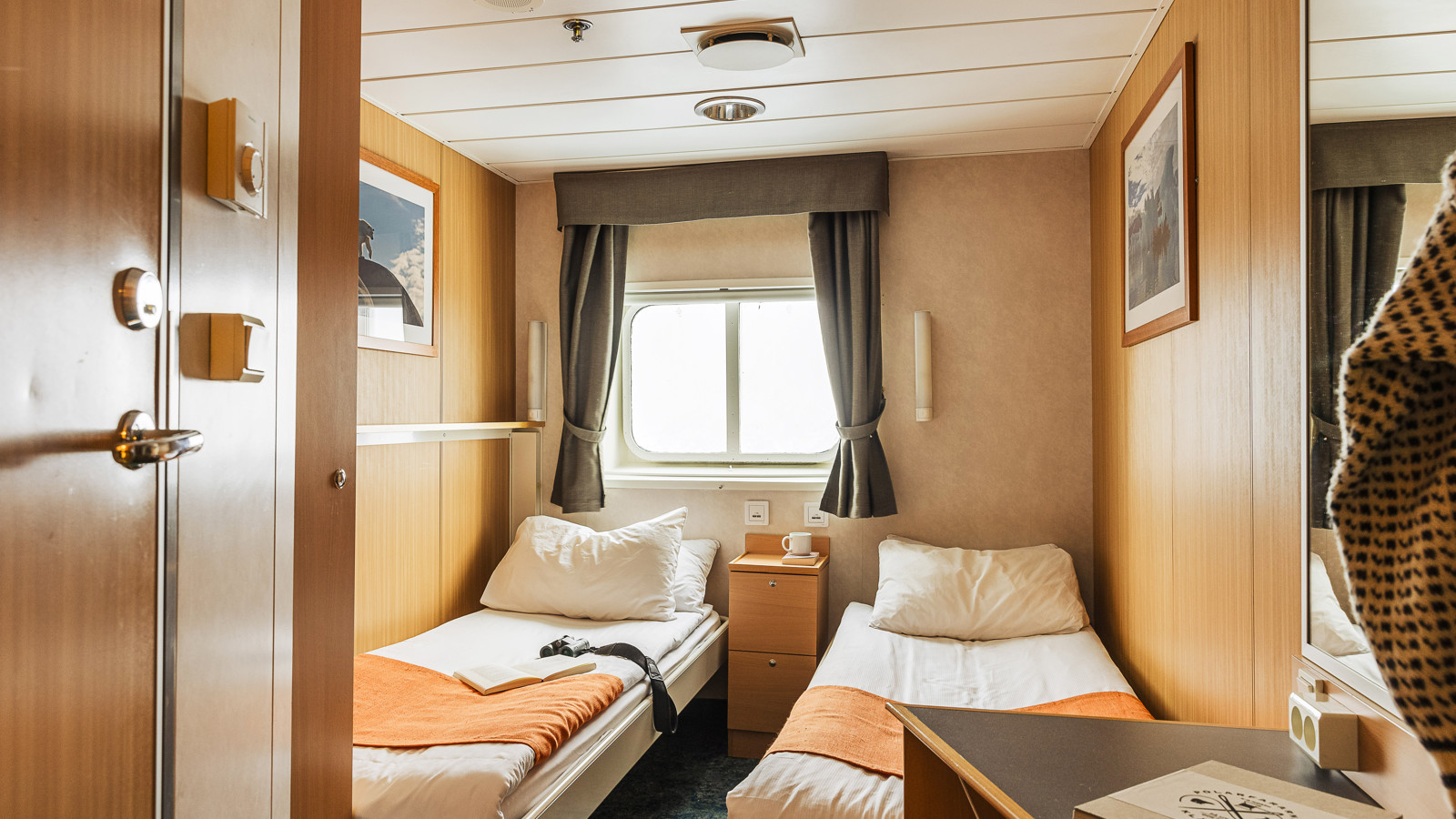 © Björn Johansson
Twin cabin -
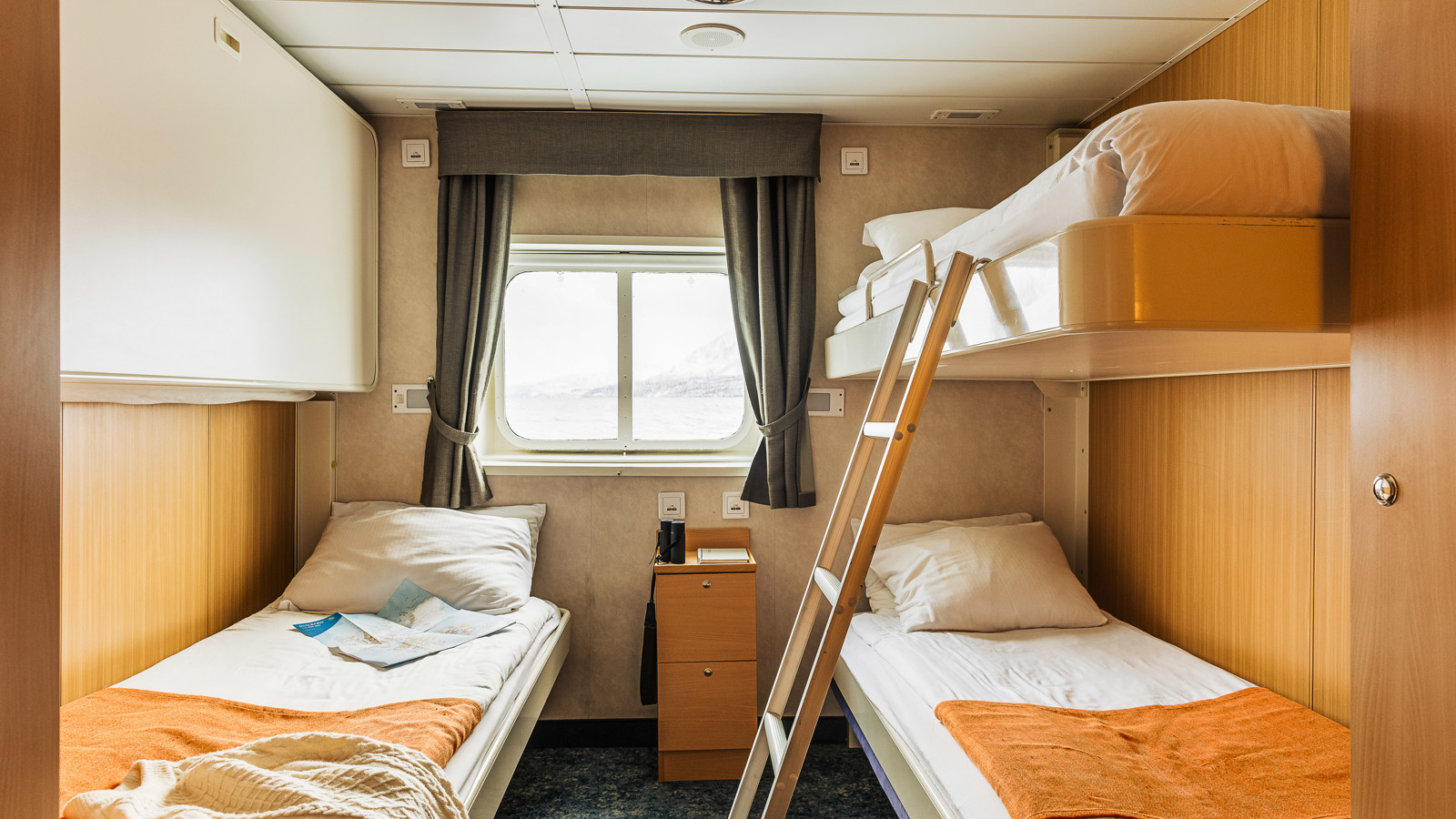 © Björn Johansson
Triple cabin -
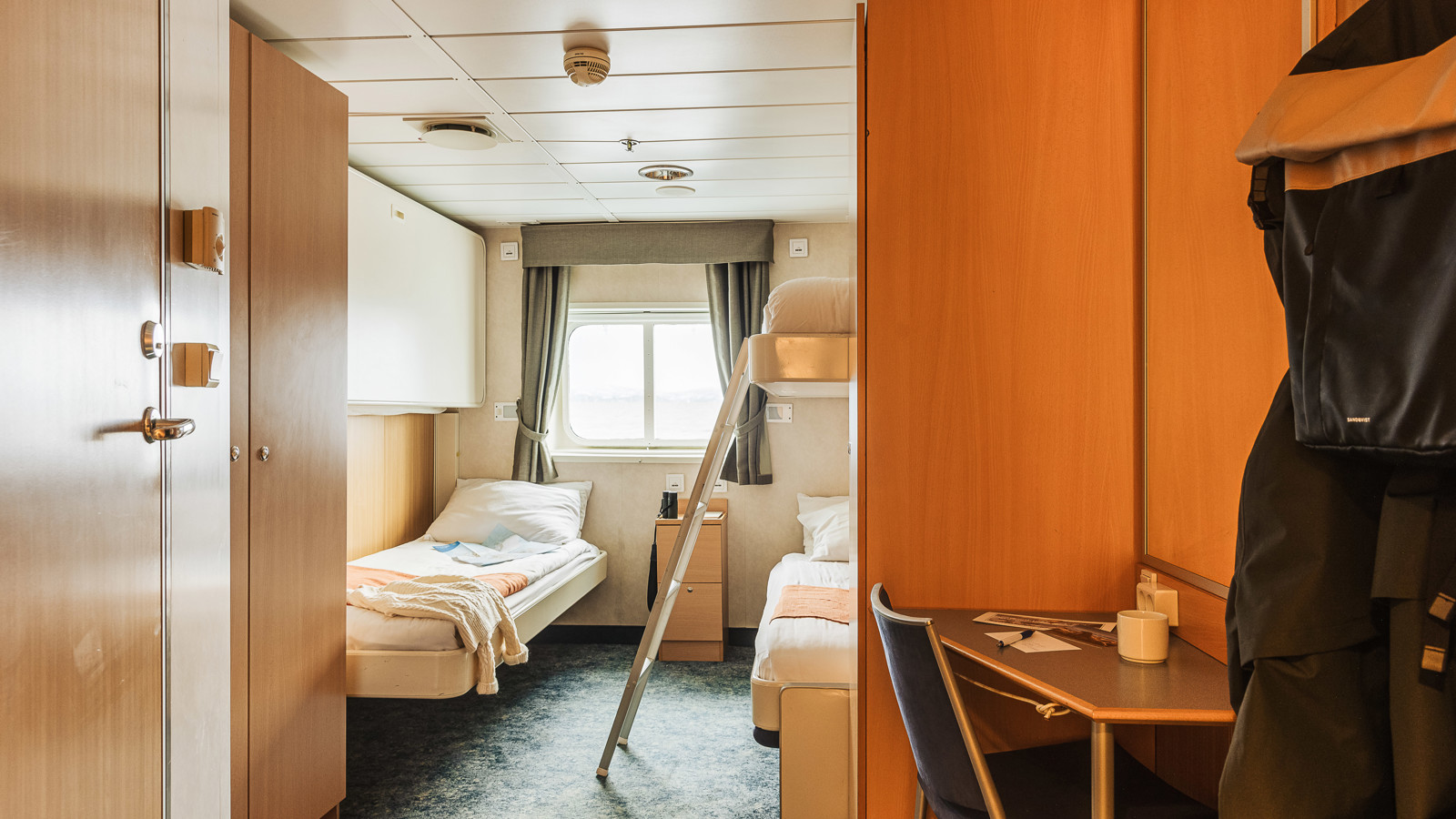 © Björn Johansson
Triple cabin -
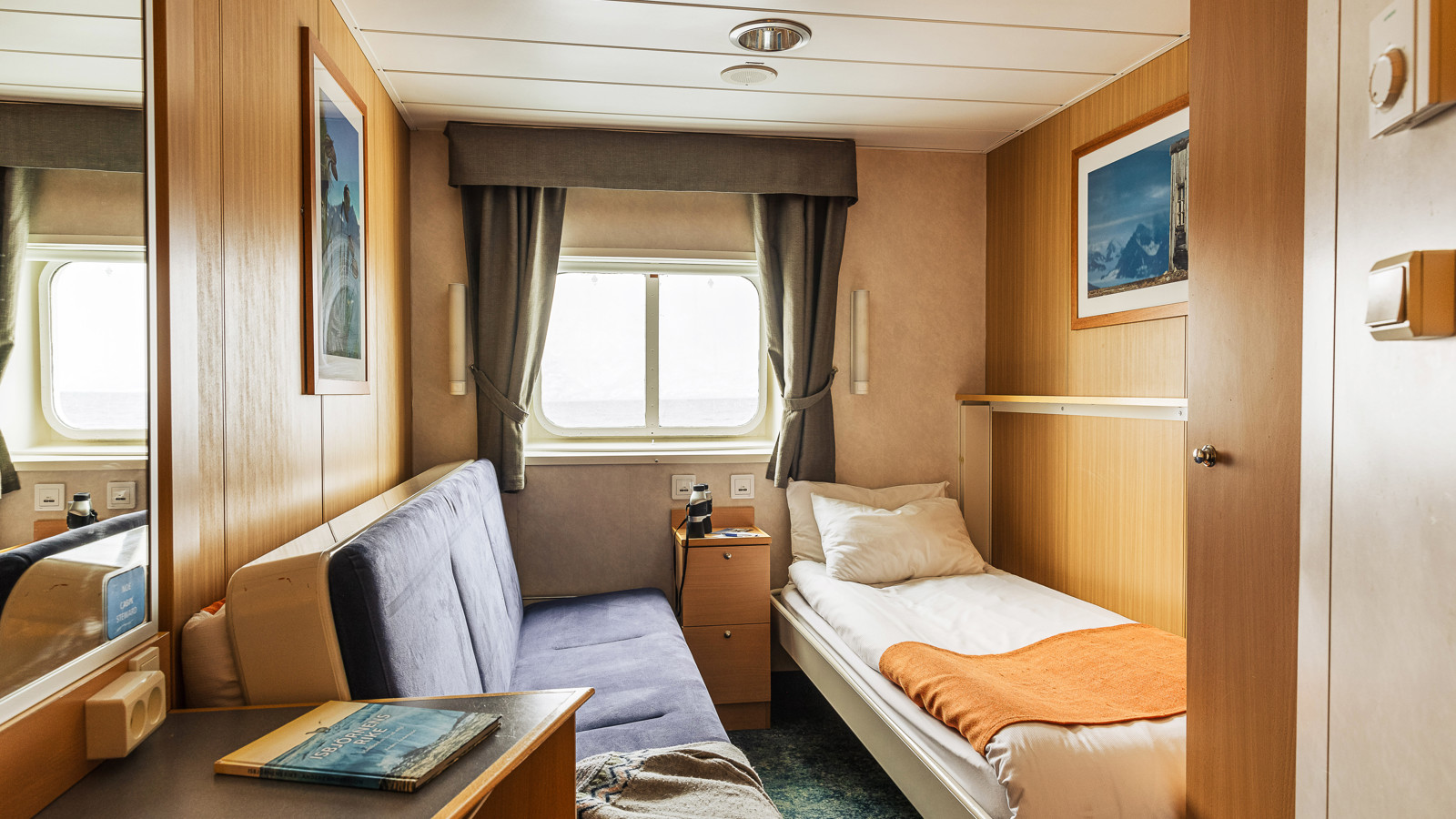 © Björn Johansson
Single cabin -
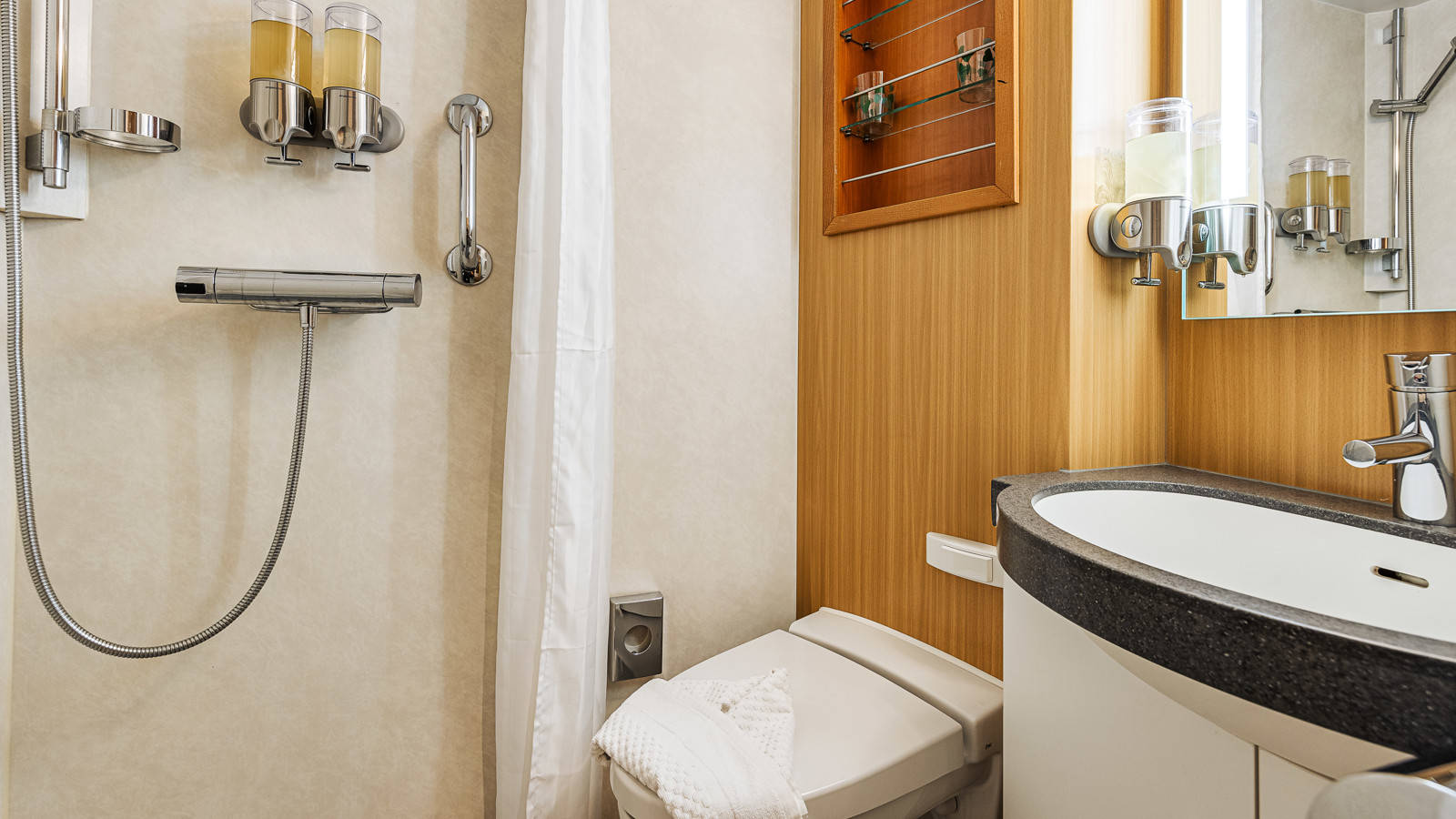 © Björn Johansson
Bath room -
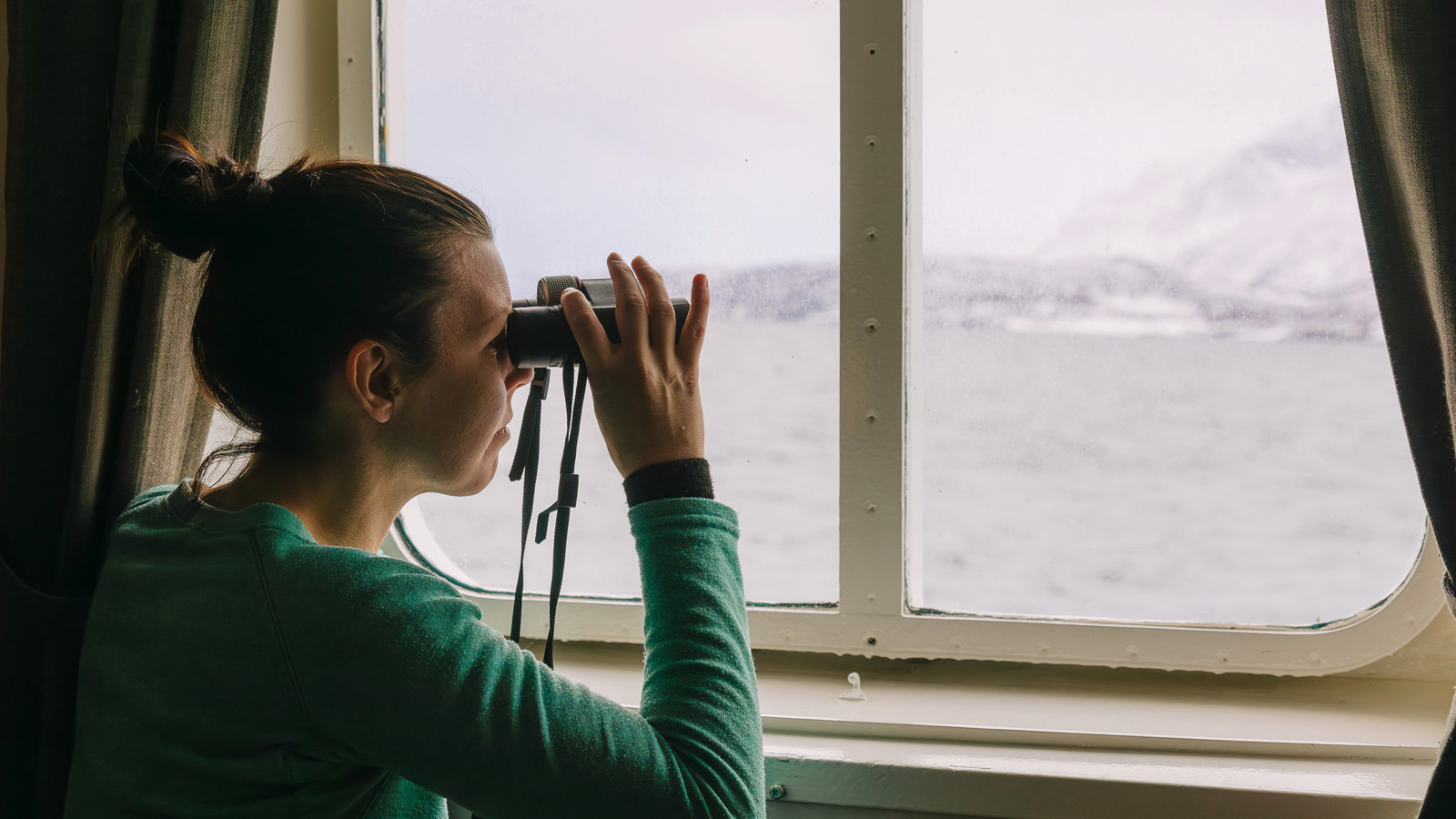 © Björn Johansson
A comfortable expedition ship with a wonderful crew.
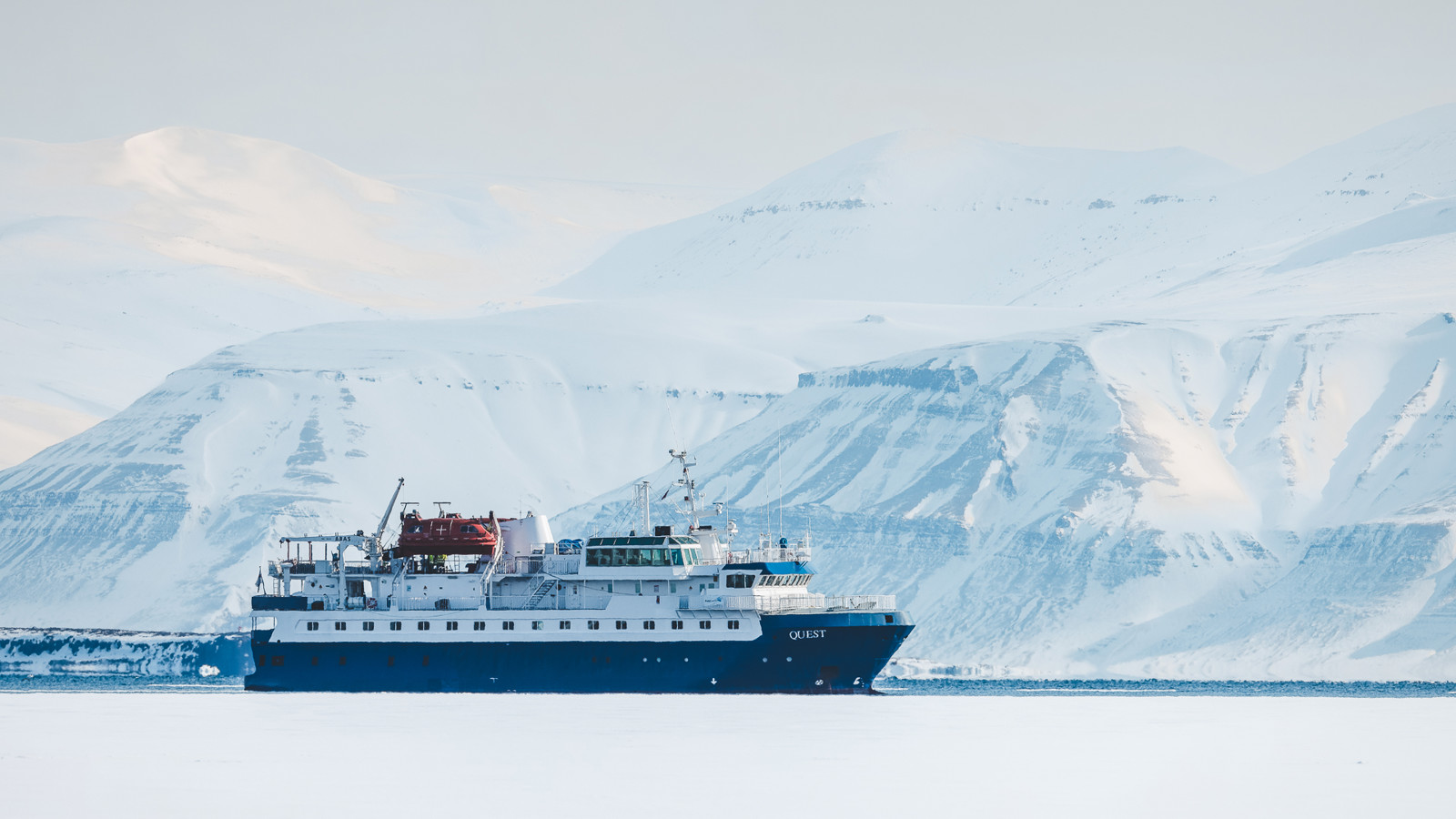
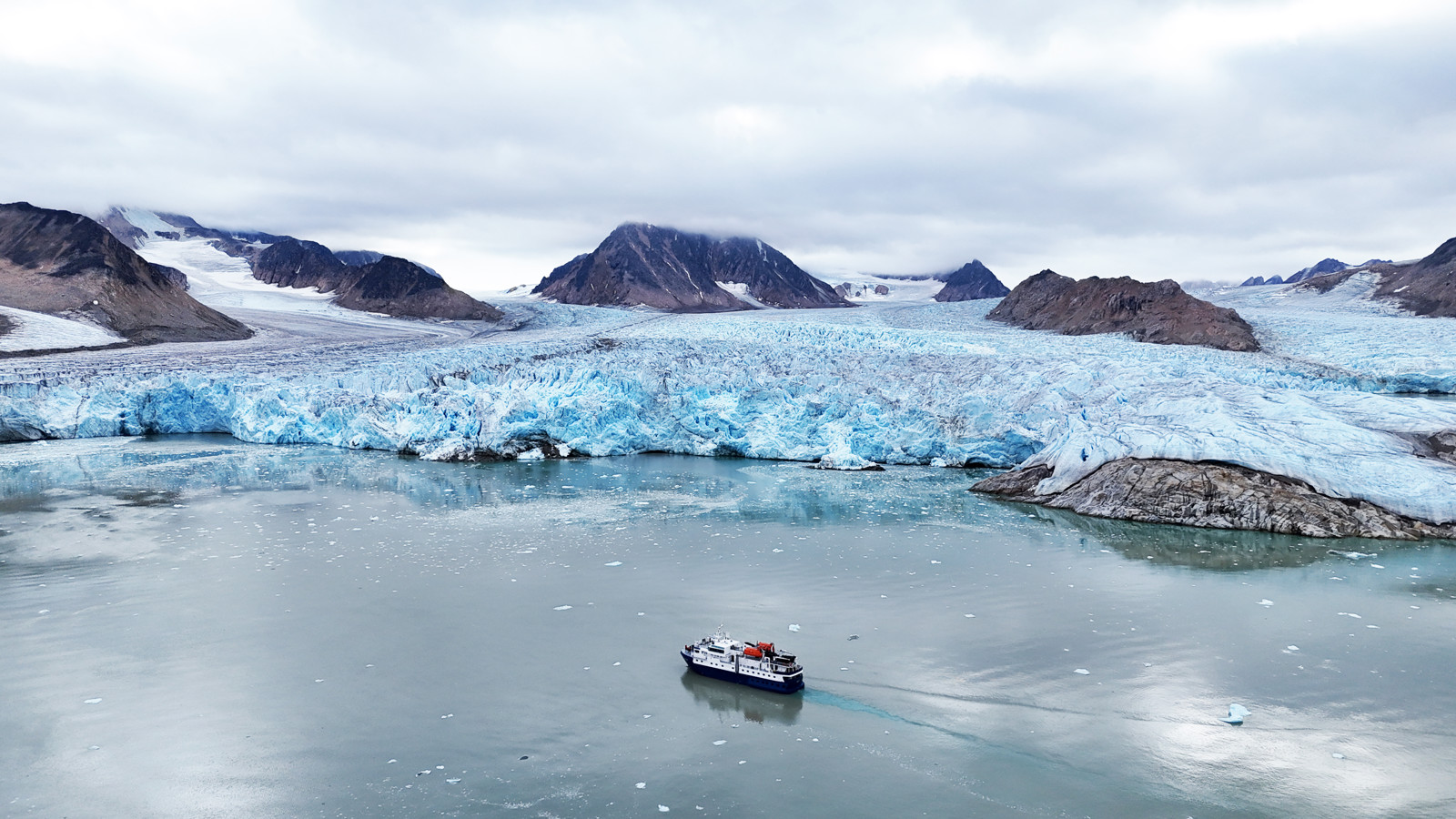
The ship M/S Quest was built in Denmark in 1992 to serve as a ferry along the west coast of Greenland. In 2004-2005, it was completely refurbished into a comfortable expedition ship, and in 2018, the passenger areas underwent further renovation.
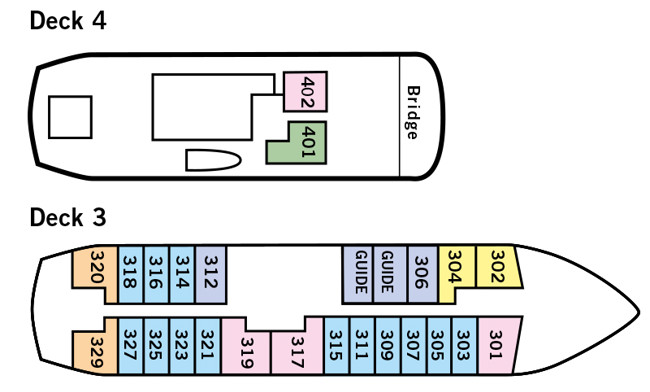
M/S Quest can accommodate 50 passengers, with all 24 cabins being outside cabins equipped with private facilities.
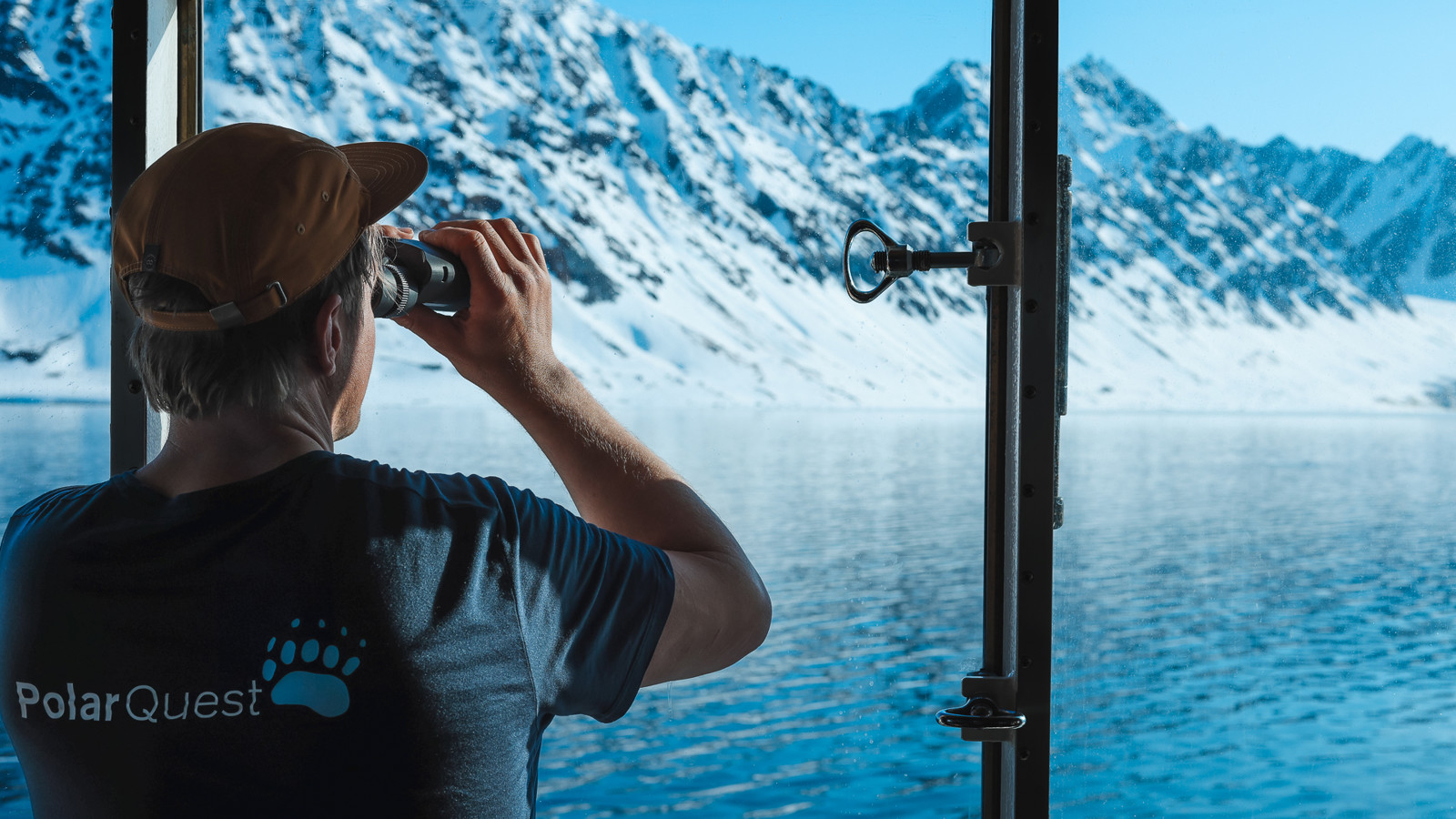
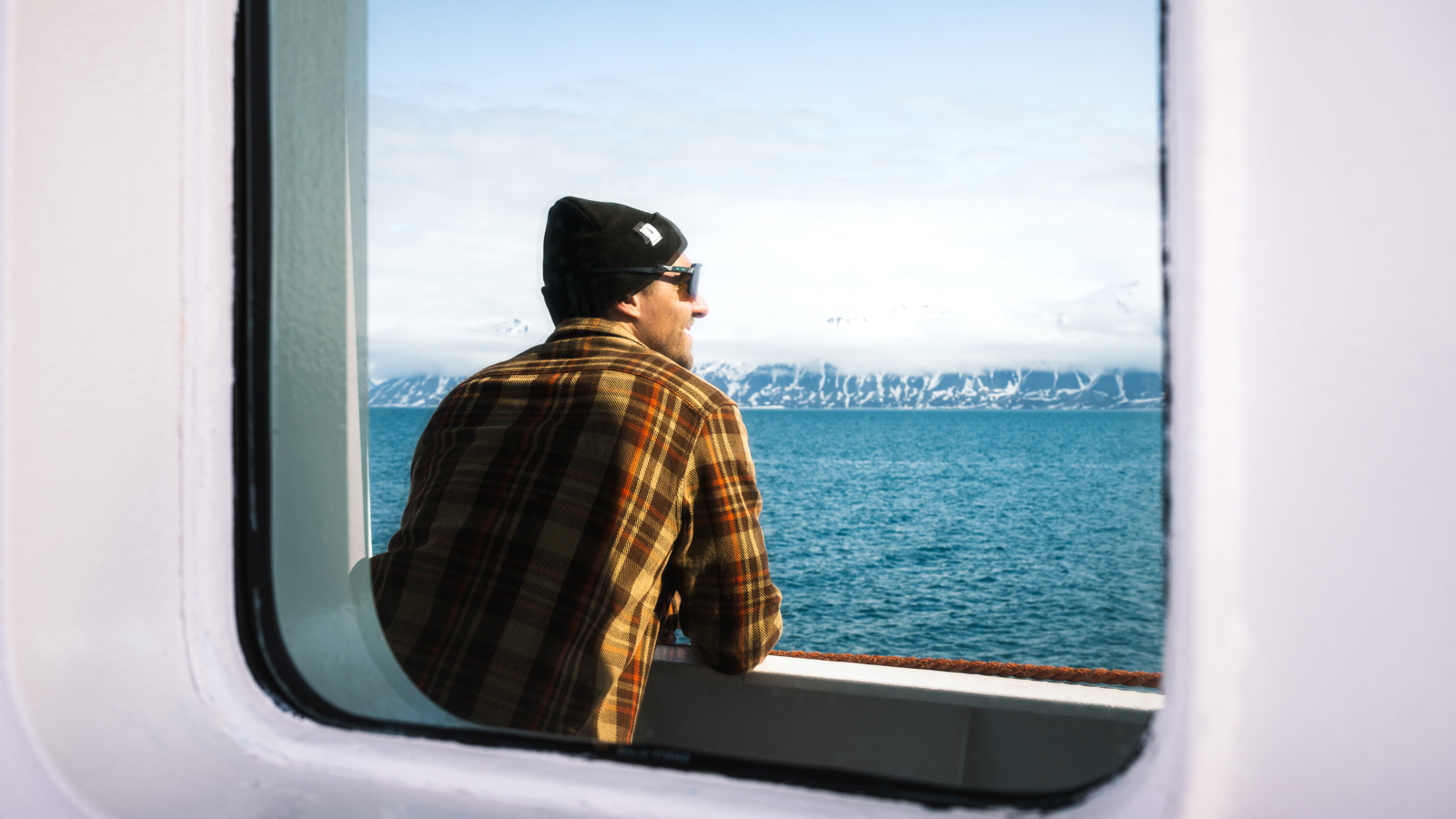
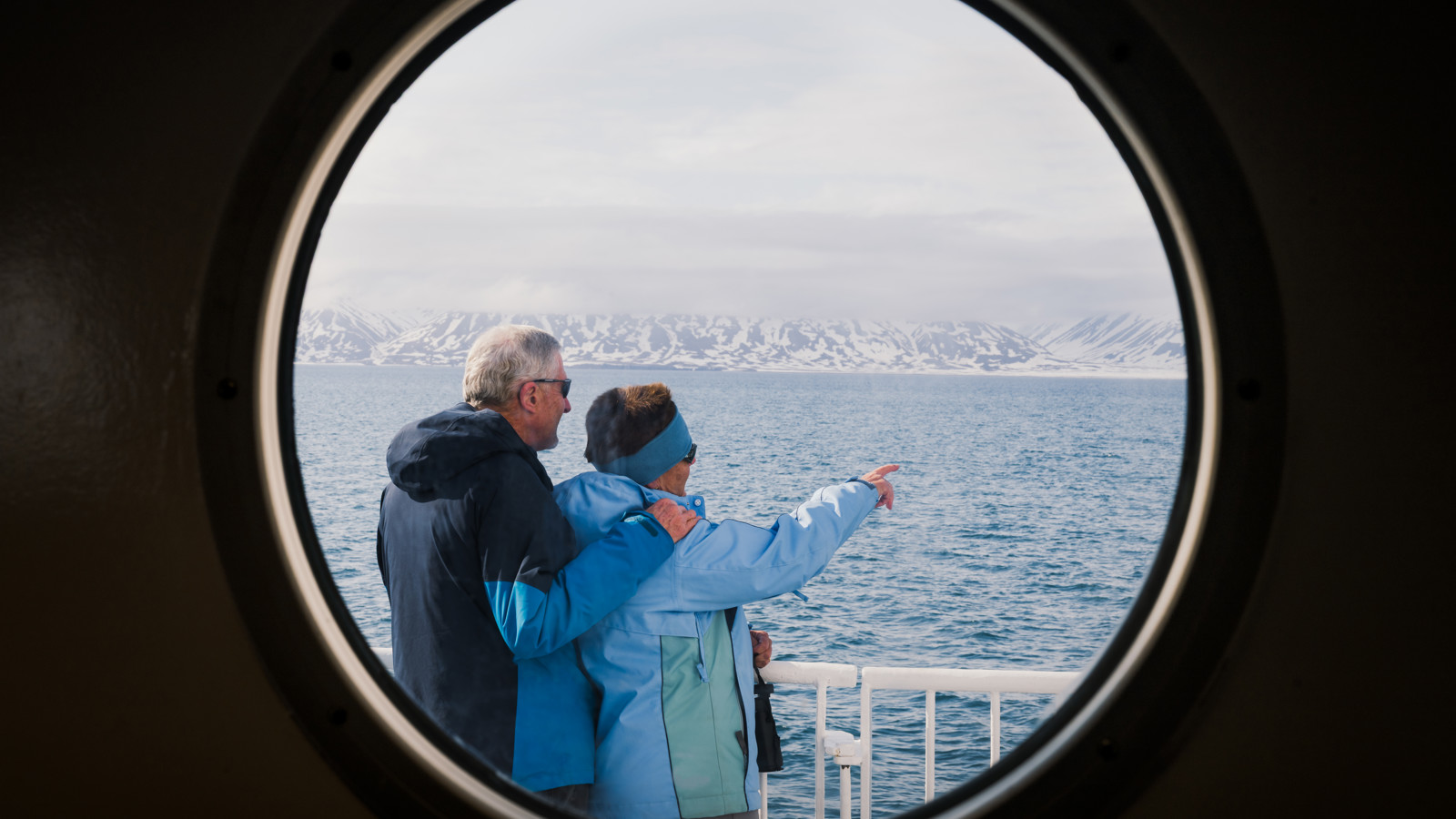
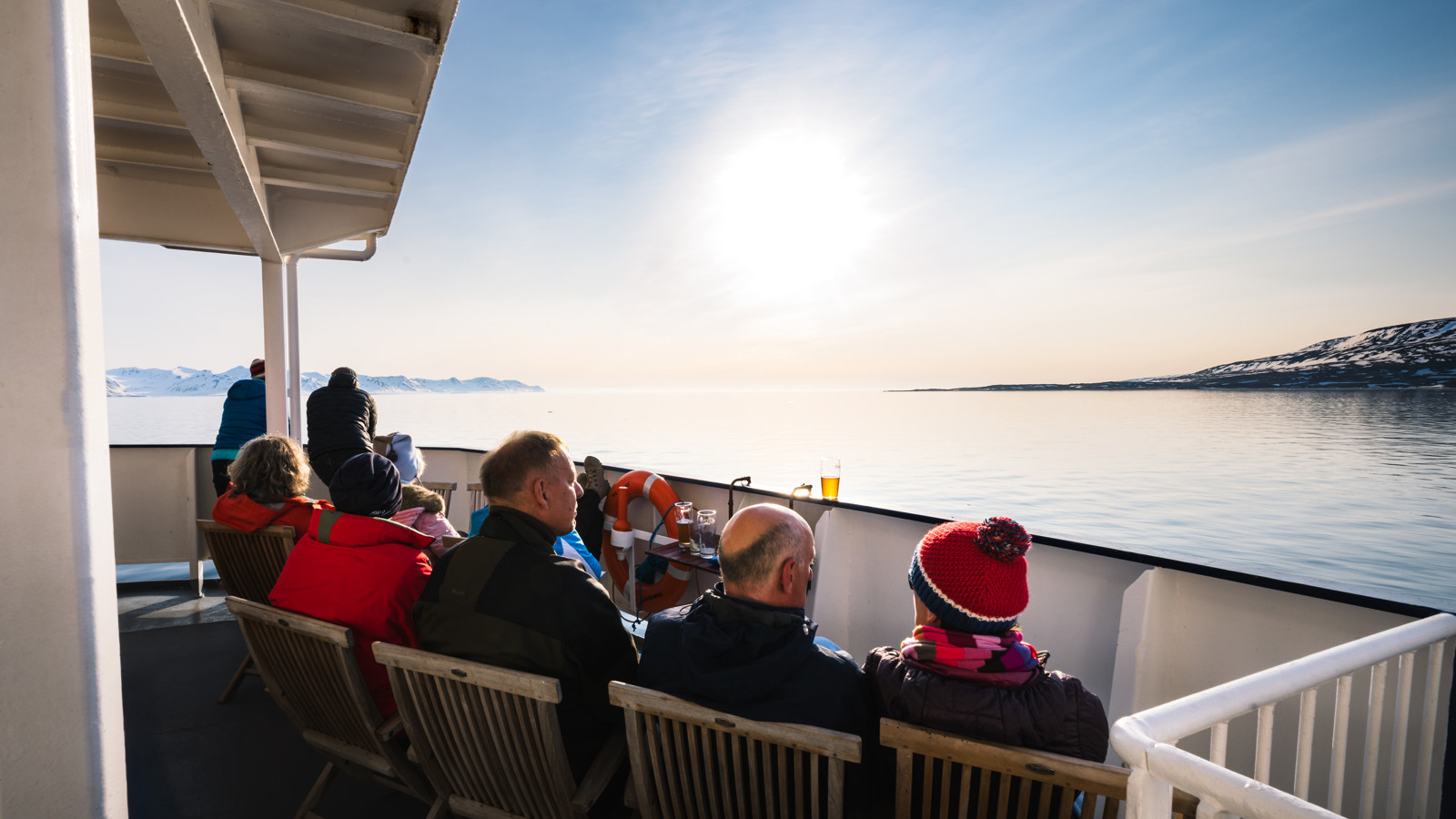
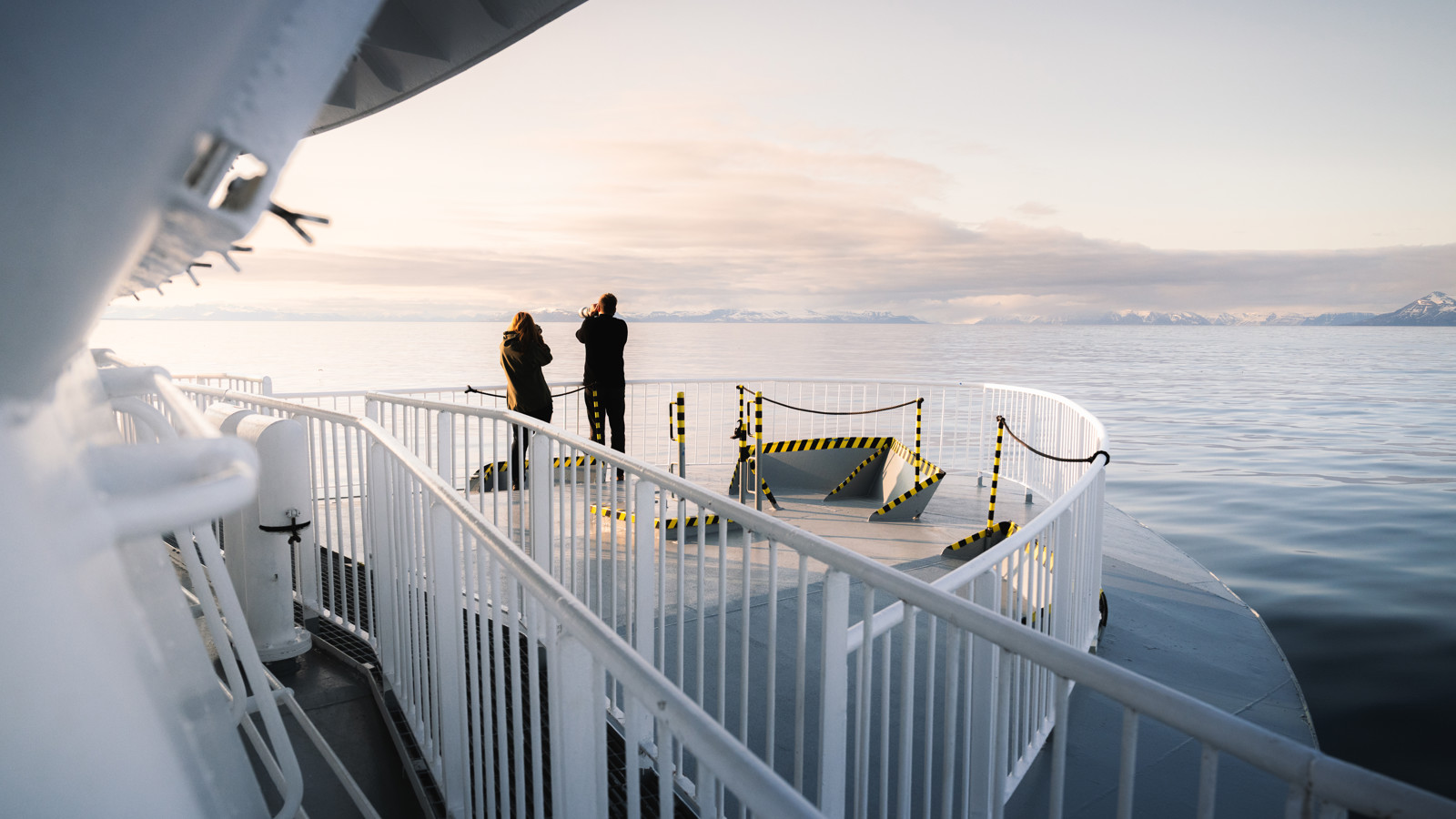
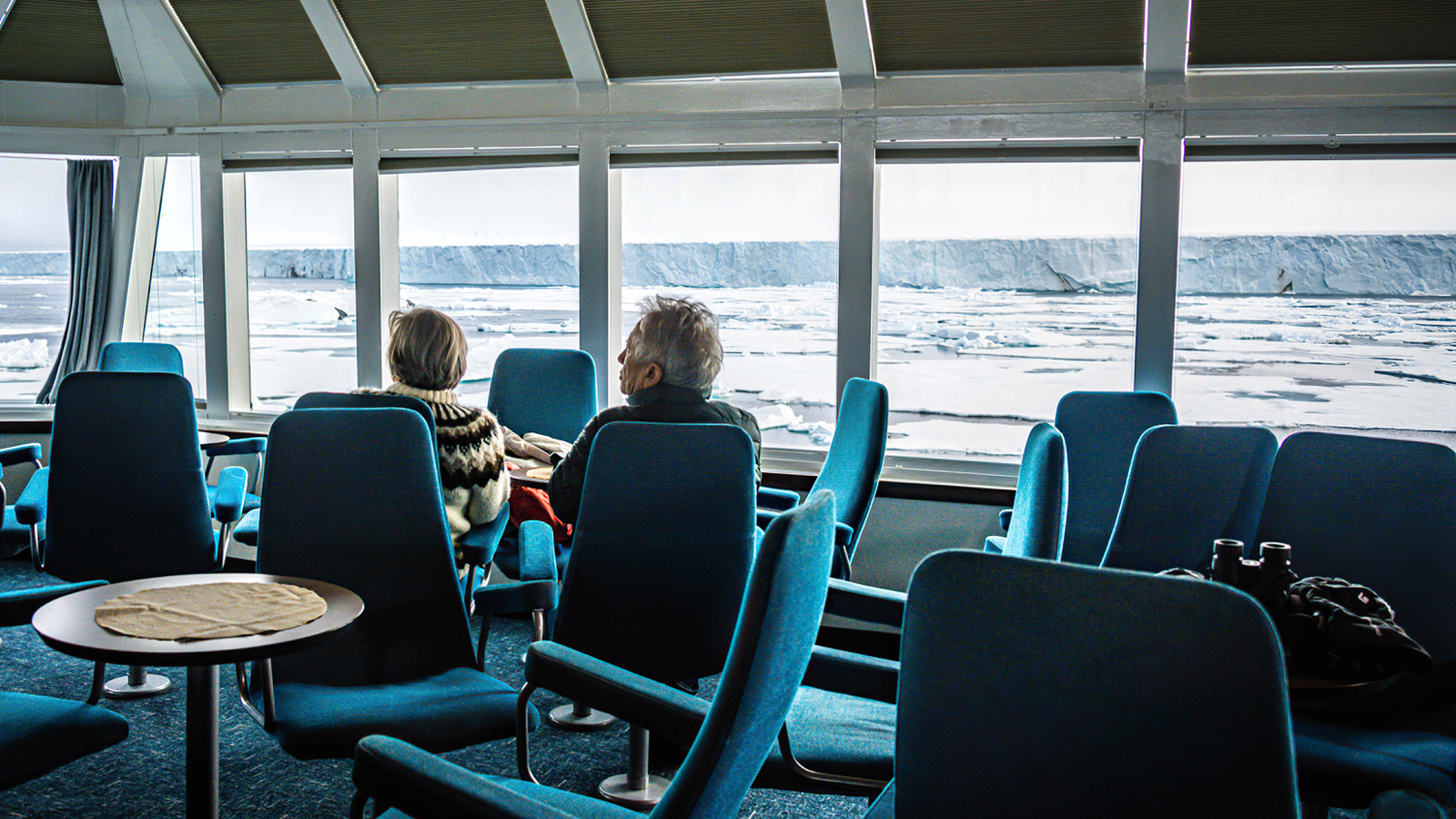
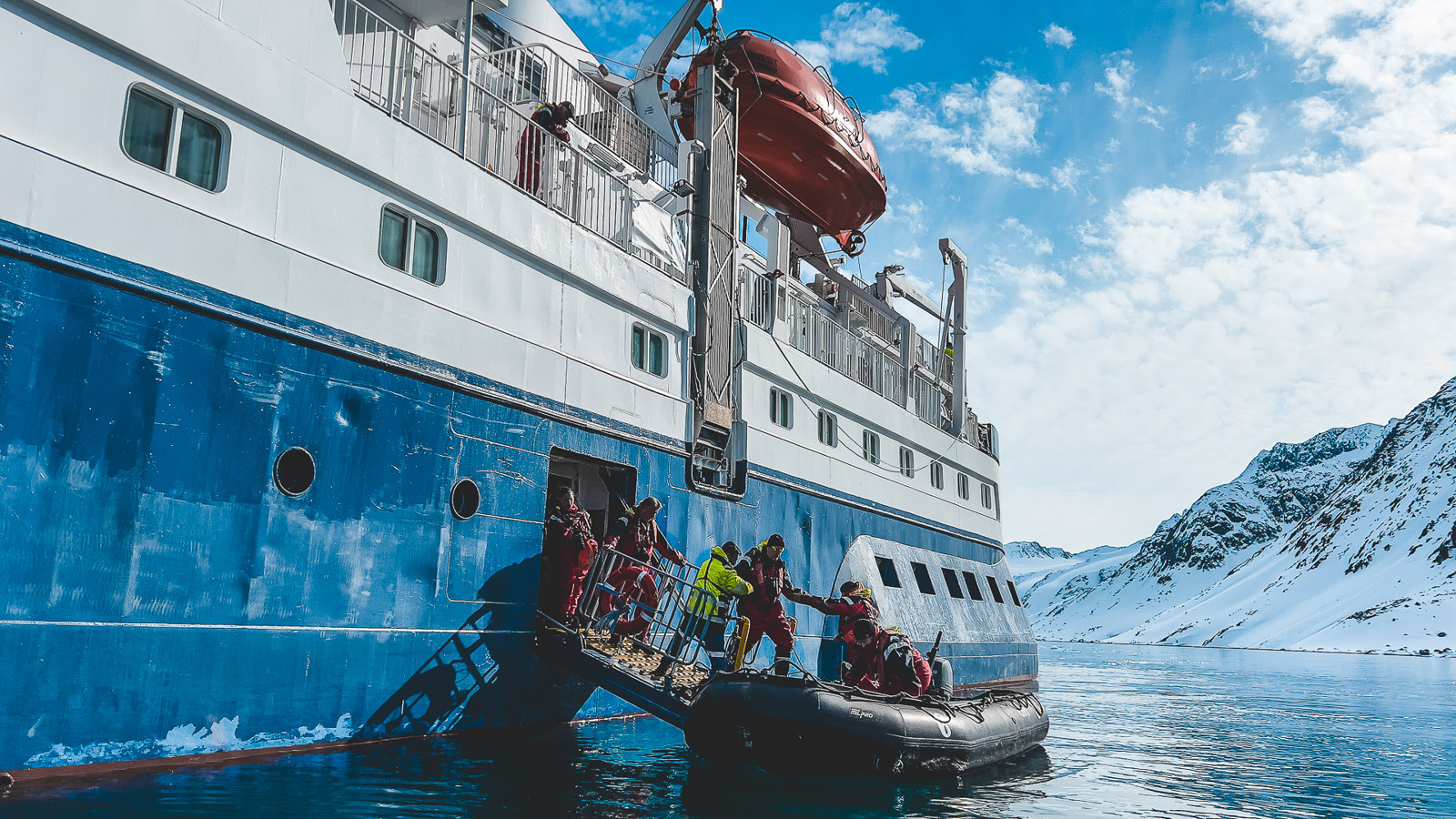
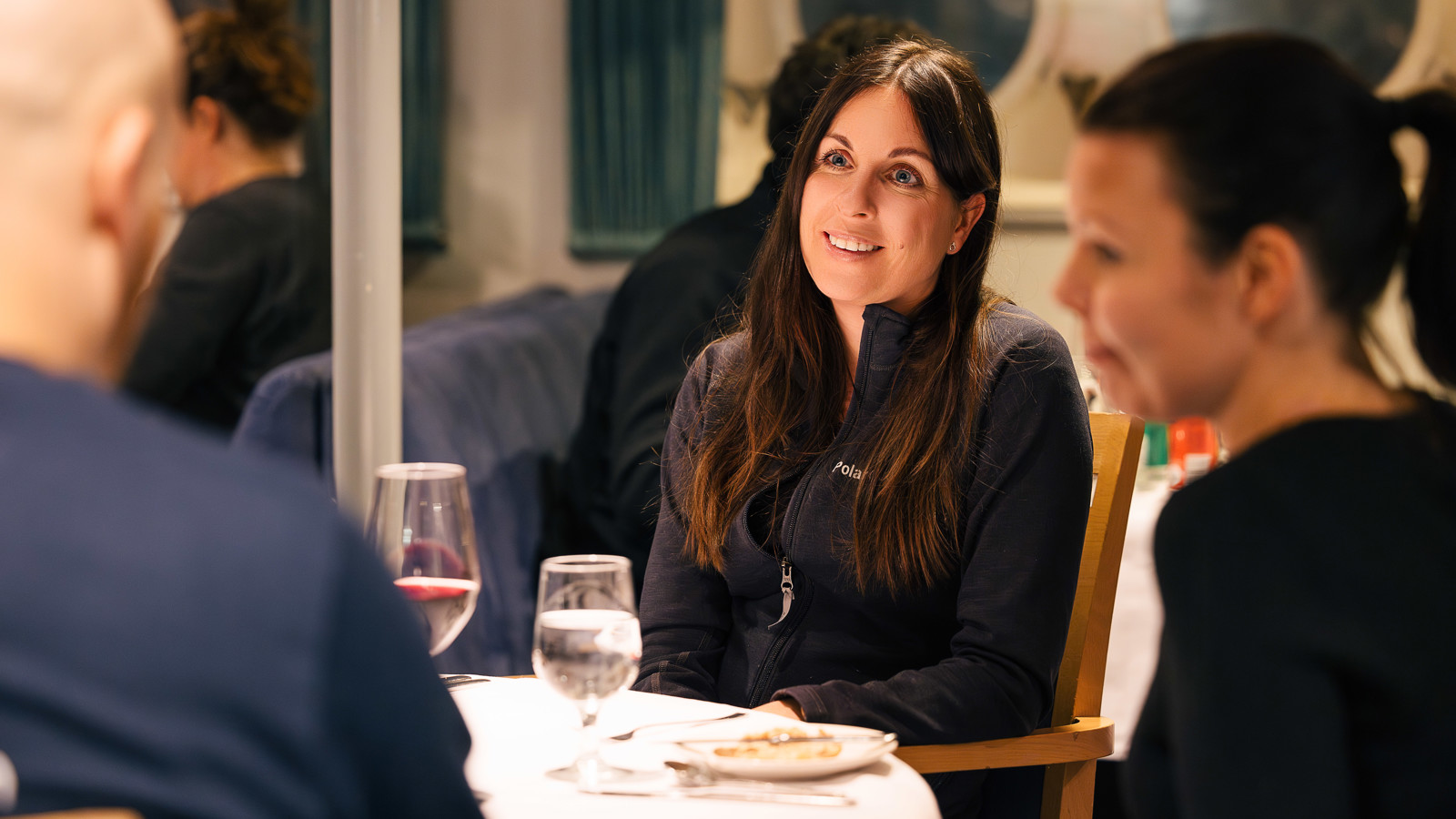
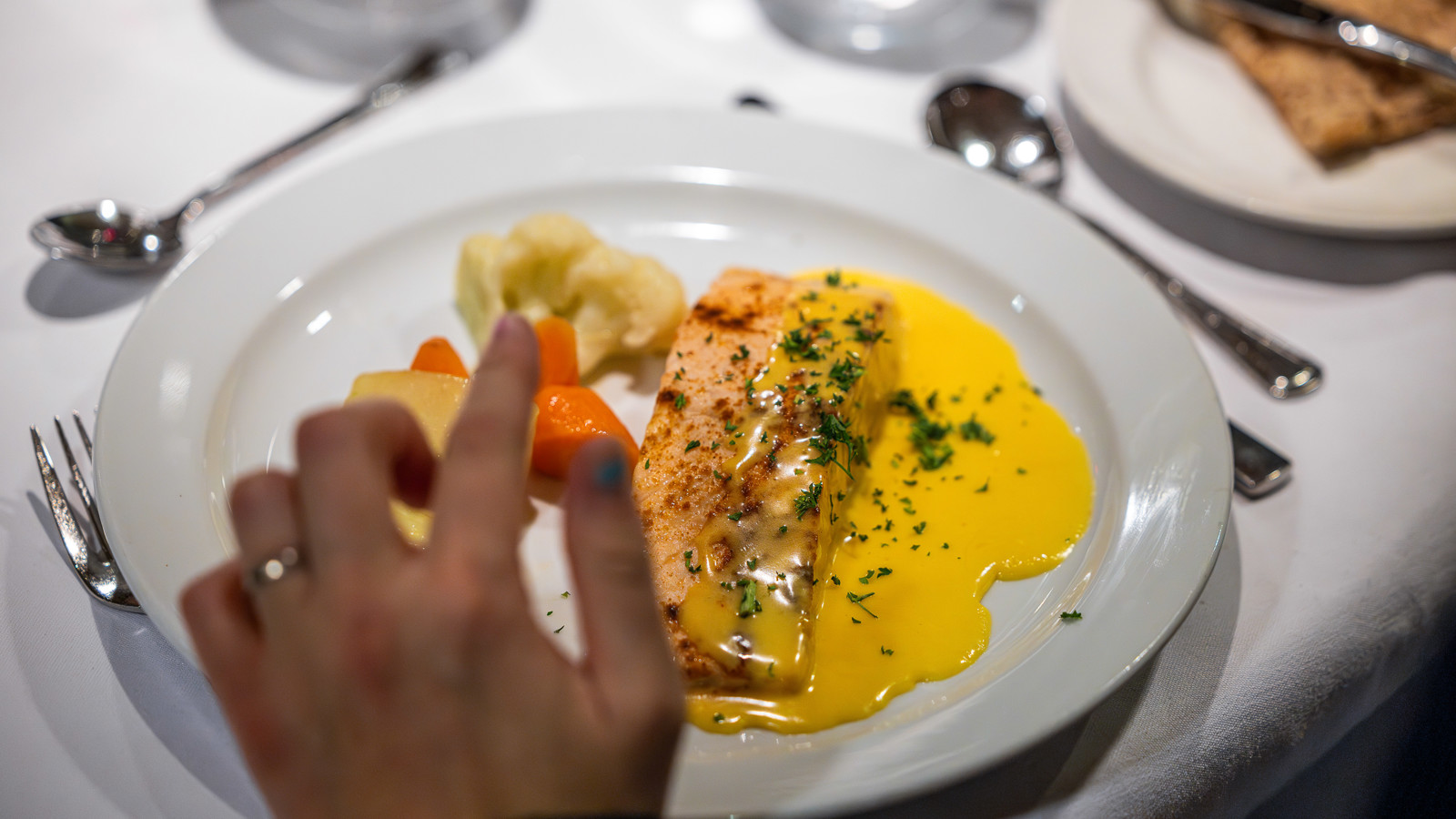
In the dining room, you enjoy delicious meals between landings, while the panorama lounge offers breathtaking views of the surrounding landscape. This lounge serves as the venue for entertaining talks about the area's flora, fauna, and history. The ship boasts spacious observation decks for you to enjoy the stunning vistas. The bridge welcomes you around the clock, and there is always something to see or search for. There are five Zodiacs and five guides on M/S Quest.
Departures and booking
| Departure | Return trip | Cabins available | |
|---|---|---|---|
| 24 August 2028 | 11 September 2028 | Cabins available | Book online |
Cabins & prices
- Book any Svalbard expedition in 2028 by 31 May 2027 and receive a USD 600 discount per person. Cannot be combined with any other offer.
| Cabin category | Bed | Prices 2028/person | |
|---|---|---|---|
| Triple cabin | upper/lower beds | 12 490 USD | |
| Twin cabin | 2 twin beds | 15 290 USD | |
| Twin cabin Plus | 2 twin beds | 15 990 USD | |
| Double cabin | double bed | 15 990 USD | |
| Double cabin Superior | large separable double bed | 17 290 USD | |
| Owner’s cabin | large double bed | 18 190 USD | |
| Twin cabin for single use | 23 990 USD | ||
Family cabin for 4 persons, on request.
Many of our travellers journey solo, so in addition to single cabins, we offer the option to share a cabin on board the M/S Quest. Shared cabins are divided into female and male cabins. Contact us for availability!
Included in the price:
- 1 night in a hotel in Longyearbyen incl. breakfast
- 17 nights on board M/S Quest
- Visit to Svalbard Museum day 2
- Lunch day 2
- All meals on board
- Coffee and tea
- Expedition Leader and guides
- Guiding on board and ashore
- All excursions with Zodiacs
- All permits and taxes in Greenland
- Slideshow from the trip
- Full carbon offset
Not included in the price:
- Flight to Longyearbyen, Svalbard and from Tromsö, Northern Norway
- Travel and cancellation insurance
- Gratuity to the ship’s crew
- Personal expenses such as bar and shop charges