

Svalbard is a prime destination for encountering the giants of the sea. In this post, we highlight some of the incredible whale species you may come across during an expedition
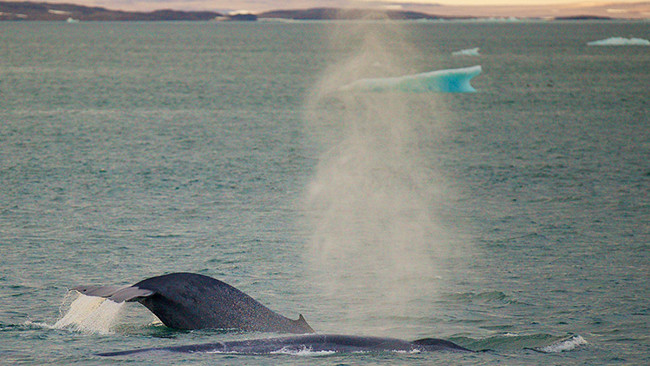
The Blue whale
At up to 30 meters in length and with a weight of 150 tons, the blue whale is the largest animal ever known to have existed. Its tongue can weigh as much as an elephant and its heart as much as a car - not bad for someone mainly feeding on krill!
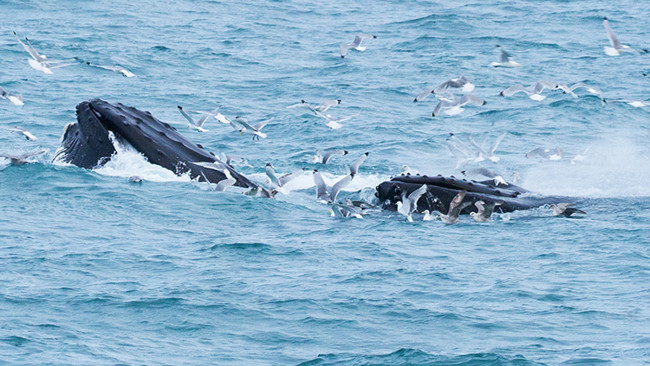
The Humpback whale
The humpback whale measures up to 18 meters and weighs around 30 - 40 tons. Its humps on its head and jaw make it easy to recognize. It’s also well-known for the male’s characteristic song and its impressive way of breaching out of the water.
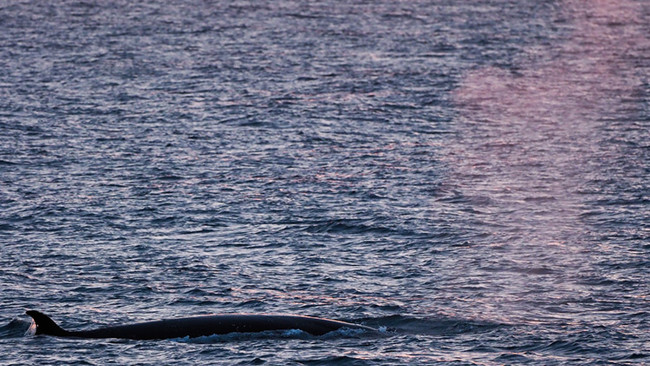
The Fin whale
The fin whale is the world’s second largest animal. It’s a close relative to the blue whale, but in comparison to the blue whale it’s both slimmer and faster.
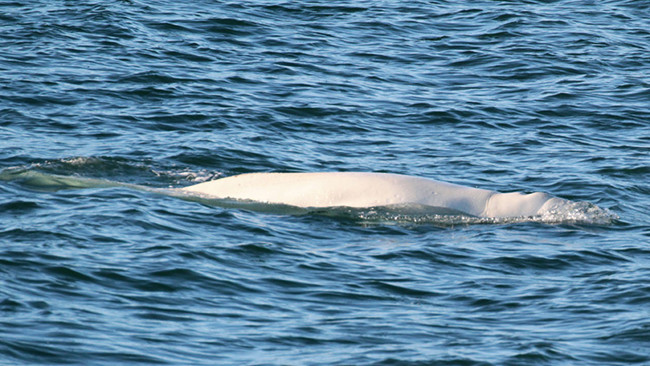
The White whale
The white whale, also known as the beluga, is easy to spot thanks to its white colour. It’s quite small, 3-6 meters, and lives for approximately 50 years – many whales live a far longer life, some for more than hundred years.
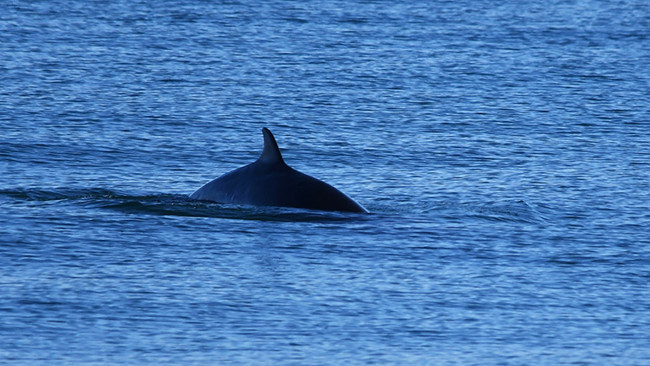
The Minke whale
The minke whale is the smallest of the baleen whales and measures approximately 8 meters. It mainly feed on krill and small bait fish that are abundant in the rich waters of Svalbard. The minke whale is black or grey on its back, white on the abdomen and is characterized by it dorsal fin.
Please note: Depending on the lens used for a photo or video shot an animal may appear to be closer than it is. We always follow strict wildlife guidelines to ensure that we do not cause any disturbance.